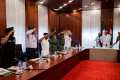

The Inspector-General of Police, Olatunji Disu, has proposed a 200 per cent gratuity for retired police officers as part of efforts to address longstanding pension challenges in the Nigeria Police Force.
The proposal is being considered by a Presidential committee established to examine the concerns of police personnel and recommend sustainable solutions to the force’s pension crisis.
The committee comprises representatives of the Ministry of Finance, the Office of the Accountant-General of the Federation, the National Salaries, Incomes and Wages Commission, the Budget Office of the Federation and the National Pension Commission (PenCom).
Under the proposed arrangement, eligible officers could receive pension benefits linked to their last salaries, alongside the enhanced gratuity.
The plan is also expected to address persistent calls by serving police officers to exit the Contributory Pension Scheme (CPS).
The proposed reforms seek to resolve outstanding pension liabilities, improve retirement benefits and establish a more efficient pension administration system.
They are also expected to consider officers who retired before the implementation of any new framework, with provisions to review their benefits in line with revised terms.
President Bola Tinubu’s intervention in the police pension crisis has raised hopes among retired officers who have long complained about inadequate benefits, delayed payments and administrative bottlenecks.
For many pensioners, improved and timely access to retirement benefits is crucial to meeting household expenses and medical bills amid rising living costs.
The Nigerian Government has reportedly cleared outstanding pension payment backlogs that previously forced some retirees to wait for up to two years.
It has also introduced pension increases, with some beneficiaries reportedly receiving nearly double their previous payments.
Disu’s engagement with the Presidency, PenCom and other relevant institutions is expected to support efforts to sustain the reform process and improve coordination among agencies responsible for pension policy, funding and administration.
The Presidential committee is expected to recommend measures to address outstanding liabilities, funding arrangements and benefit administration as part of a broader framework for resolving the challenges facing retired police officers.
However, the proposed 200 per cent gratuity has not been approved and does not constitute an existing entitlement.
Its adoption will depend on the committee’s recommendations, relevant government approvals, funding arrangements and implementation guidelines.
The final decision is expected to determine the eligibility criteria, the scope of the proposed benefits and how any approved reforms will be implemented.

