A total of 240 Boko Haram terrorists have surrendered to the Multinational Joint Task Force, some of them with arms and ammunition.
Chief Military Public Information Officer, Colonel Muhammad Dole, said the recent wave of mass defection took place in Sector 2 Area of Responsibility (AOR) Bagasola in Chad.
According to Dole, the firepower of the Multinational Joint Task Force (MNJTF) ground troops and joint Air operation during the Operation GAMA AIKI forced a massive defection of remnants of the Boko Haram Terrorists (BHT).
He said sustained offensive operations and blockage of logistics supply routes made the terrorists’ locations untenable; as a result, Boko Haram terrorists and their families abandoned their locations and surrendered with their arms to the nearest locations of the ground forces in the operation areas.”
Dole stated that they were being profiled and camped in Bagasola.
According to him, this brings the total number of Boko Haram terrorists who have surrendered to MNJTF troops in Sector 2 to 464.
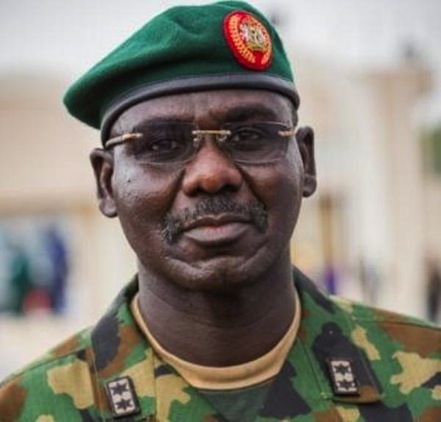
Commander MNJTF, Major-General Lamidi Adeosun, addressed the repentant terrorists and their families during his operational visit to Sector 2 AOR, commending the leaders of the ex-Boko Haram terrorists for their courage and taking the right decision to abandon terrorism and insurgency for normal life.
He assured them of safety and good care as long as they remain in the camps, urging them to encourage their colleagues in the bush to stop fighting and join them in the camps.
The Commander of MNJTF donated cash for purchase of two cows and food stuff for each of the two groups for the welfare and upkeep of the ex-militants and their families.
While addressing a team of International Non-Governmental Organisations (NGOs) operating in the camps, the Commander praised their commitment and sacrifice in discharging their humanitarian duties.
He implored them to mobilise more resources and manpower, as more terrorists are expected to defect and join their colleagues in the camps.
The ex-BHT (Boko Haram terrorists) are expected to receive training in different skills and small businesses as scheduled by government agencies and NGOs.

