Anti-corruption agencies should beam their searchlight on humanitarian grants to Nigeria.
This is because the humanitarian sphere was one area that was not being investigated in terms of accountability and transparency, and the level of corruption was becoming alarming in the area.
According to Civil Society Legislative Advocacy Centre, CISLAC, Nigerians should not lose sight of the high rate of corruption and illegal diversion of humanitarian assistance rocking the nation’s emergency spheres.
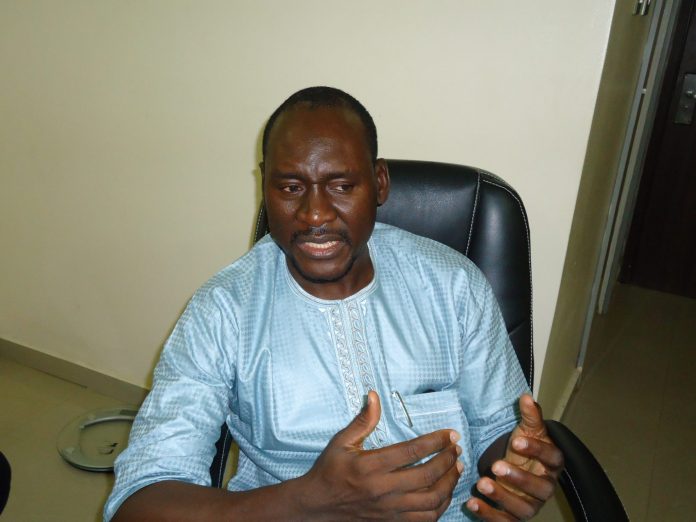
Its Executive Director, Auwal Rafsanjani made the call at the “Collective Commitment to Enhance Accountability and Transparency in Emergencies: Synthesis Report Dissemination and Regional Discussion Workshop’’ in Abuja.
According to Rafsanjani, the worsening humanitarian crisis has been amplified by massive corruption and reported diversion of aids for Internally Displaced Persons (IDPs) and other victims of terrorism allegedly perpetuated by public officials.
He said the practice which continued unchecked for years had not only exacerbated existing humanitarian crisis, but also eroded citizens’ confidence in humanitarian aid, especially in the North-East.
“It is worthy of note that lack of transparency and accountability in the management of humanitarian aid in Nigeria had triggered violence by IDPs in Borno camp in August.’’
Rafsanjani said the lack of transparency in humanitarian grants had led to challenges in states such as Yobe, Borno, Adamawa and other places experiencing crisis in Nigeria.
“I am sure we are following up with the controversies following the suspension of the Secretary to the Government of the Federation.
“We have also had a lot of allegations from Borno Government claiming that some aid workers diverted aid support to victims of insurgency .’’
He said similarly, the lack of accountability and oversight in the management of humanitarian aid had led to a resolution by the senate ad hoc committee on the North-East Development Commission.
He said the commission had the mandate to receive and manage funds allocated by the government and international donour agencies for the rehabilitation, reconstruction and resettlement of victims.
The executive director said though Nigeria had a lot of anti -corruption agencies but the government was not adequately funding them to do their jobs properly.
He said most of them rely on donour funds, which was not right, adding “that is unserious, if we want to be fighting corruption, government must finance and equip properly our anti corruption agencies.’’
Rafsanjani said with proper funding, they would be strong enough to cover the whole nation and sector effectively.
Moderator of the programme, Chantal Uwimana said most times the funds sent for humanitarian interventions were usually impromptu due to the emergency nature of disasters.
Uwimana said this was the reason why such funds were always uncounted for, saying this made Transparency International to come up with a survey in four countries of Guinea, Lebanon, Afghanistan and Somalia.
She said the discussions and recommendations from the experience in the four countries would help Nigeria to chart the way forward in curbing corruption in humanitarian aid.

