The Nigeria Centre for Disease Control and Prevention (NCDC) has identified another contact linked to the confirmed case of the recent Ebola outbreak in Nigeria, increasing the number of primary contacts to 54.
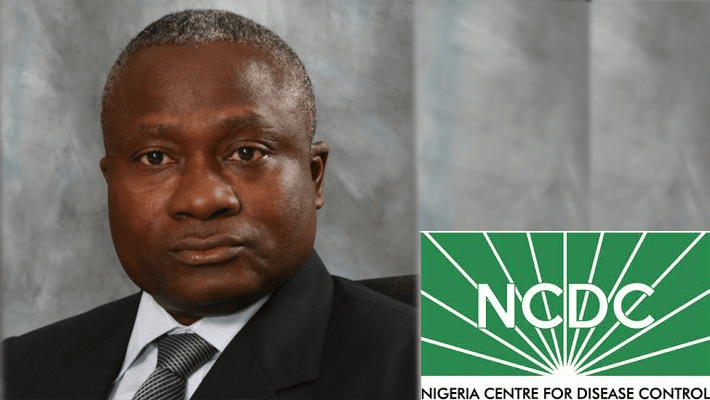
The Director-General of the agency, Dr. Jide Idris, disclosed this during an interview, identifying the new contact as an e-hailing driver who drove the index patient.
Idris explained that many of the contacts were in quarantine, including six who self-quarantined at home.
“So we still have 54 contacts, primary contacts. What we do is that we follow up with these people because a lot of them are in quarantine right now somewhere in Abuja, here, about 40-something of them.”
“We have six that are home, self-quarantined because the risks appear low. But they monitor them, call them, take their temperature, morning, evening, just to ensure that there are no changes in clinical situation.
“And one or two cases like that we had. He changes. And we had to do, we had to test them again. And the three of them again today were tested, and all the three of them turned out negative,” he added.
The NCDC chief also said efforts were ongoing to identify the secondary contacts.
“So we are not out of the woods yet until we are sure that we have all the contacts, and they have been followed up. So we are still not out of the woods; because the index case is out doesn’t mean that we don’t have that,” added.
The DG further said that though Nigeria does not have an active positive case, there are contacts that the agency needs to follow up.
“Anyone who is symptomatic will test to be sure. You have to follow them for between two and 21 days. That’s the incubation period. And again, after 21 days, you follow up 21 days again. You take it to that before you say, OK, this is Ebola-free,” Idris said.
“And after 21 days you test again, it’s negative, you can allow them to go. For secondary contacts, we don’t know how many until we start taking them.”
Asked what anyone who experiences symptoms should do, the DG said, “Contact the nearest public health centre. There is an NCDC number: 6232. It is a hotline. It’s toll-free; there are people manning it for 24 hours.
“If you feel funny, if you know of anybody falling ill, call that hotline, or go to the nearest healthcare centre, or the public health office.”
Speaking further, the NCDC chief dismissed the notion that the evacuation of the index case to Switzerland was a vote of no confidence in Nigeria’s healthcare system.
“I don’t believe that because we have competent hands; in fact, just yesterday we brought in more people, Nigerians who actually participated in treating Ebola cases in 2014.
“We have infectious disease experts here. We even have a register of those cases, just in case we have cases in different parts of the country. So, we’re keeping the register. We know the capabilities, what they can do, what they cannot do,” Idris stated.
He explained that the Swiss government was responsible for the air ambulance, not Nigeria, adding that the evacuation was based on a diplomatic request.
“Mind you again, the patient improved clinically,” he said.
This combo photo shows an air ambulance used to evacuate Nigeria’s index Ebola patient on October 26, 2026, and Health Minister Pate
The Federal Government announced Nigeria’s first confirmed case of the Bundibugyo strain in Abuja on October 20, 2026.
It identified the patient as a woman with a recent travel history to Uganda, who returned to Nigeria with symptoms on October 7, but the Ugandan authorities denied reports of an Ebola outbreak in the East African country.
On October 25, the NCDC announced that the number of contacts, including health workers, linked to the patient had risen to 53.
On Monday, the health minister confirmed that the index patient was flown to Switzerland, stable and conscious, and had clinically improved.

