
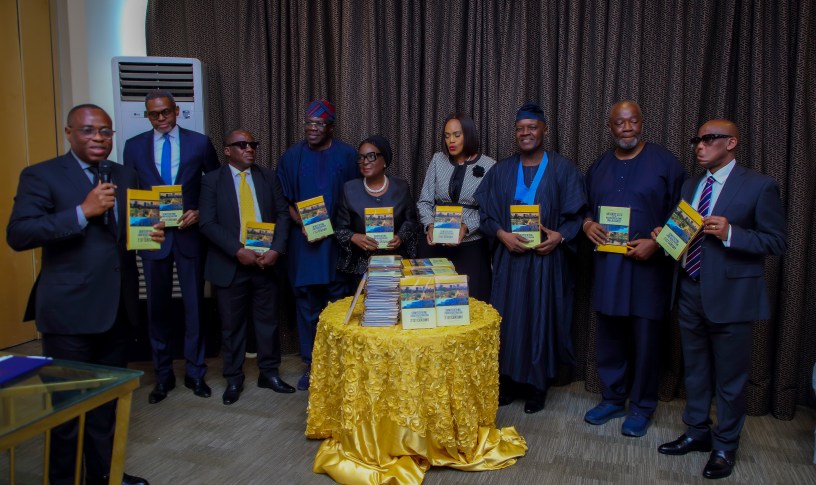
The former Lagos State Registrar of Titles, Land Bureau, Adetokunbo Mulikat Alli-Balgun has launched an intellectual book titled: Demystifying Land Registration in the 21st Century.
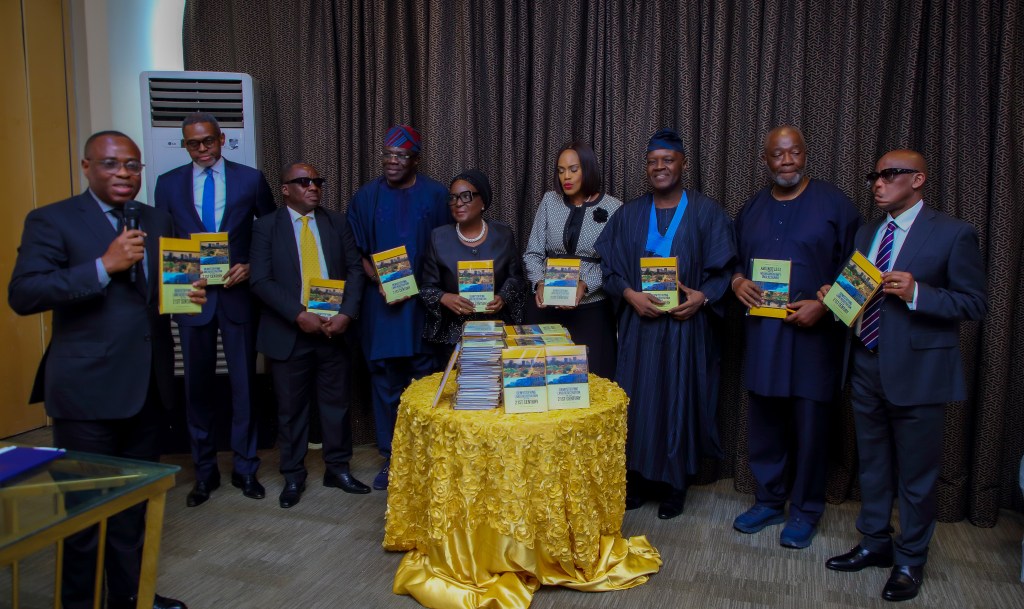
Alli-Balogun says the aim of the book is to simplify the often complex world of land transactions in Lagos State.

She launched the book at an event which marked her sixtieth birthday and retirement after a tweny-six years of dedicated hardworking and profound impact from the state civil service.
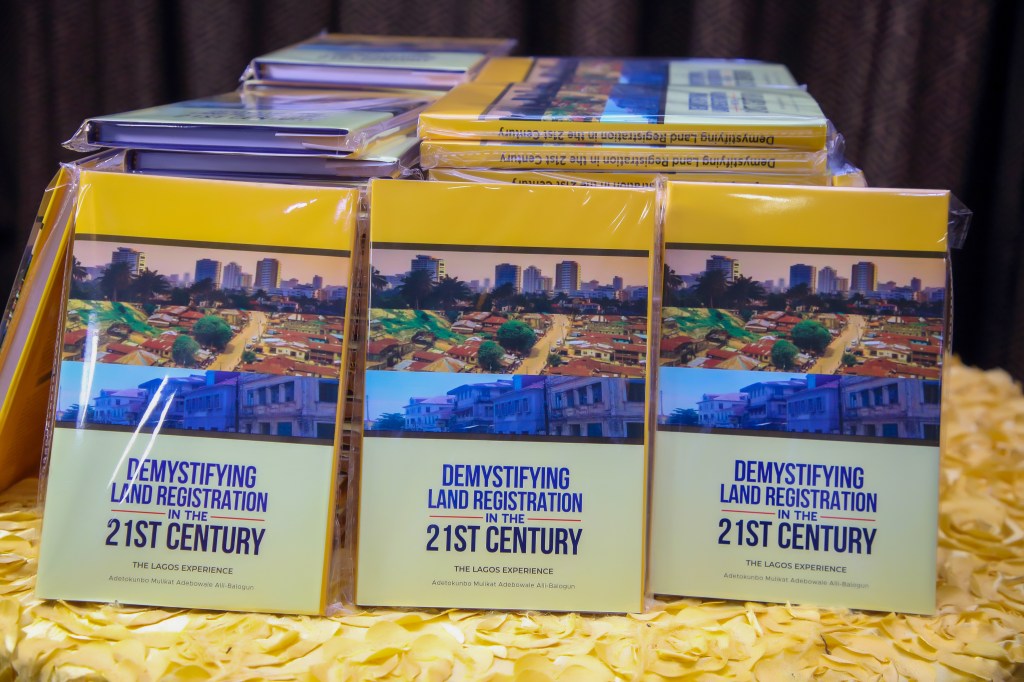
Alli-Balogun, speaking on the book said the book would answer most of the constant questions asked by the various customers.
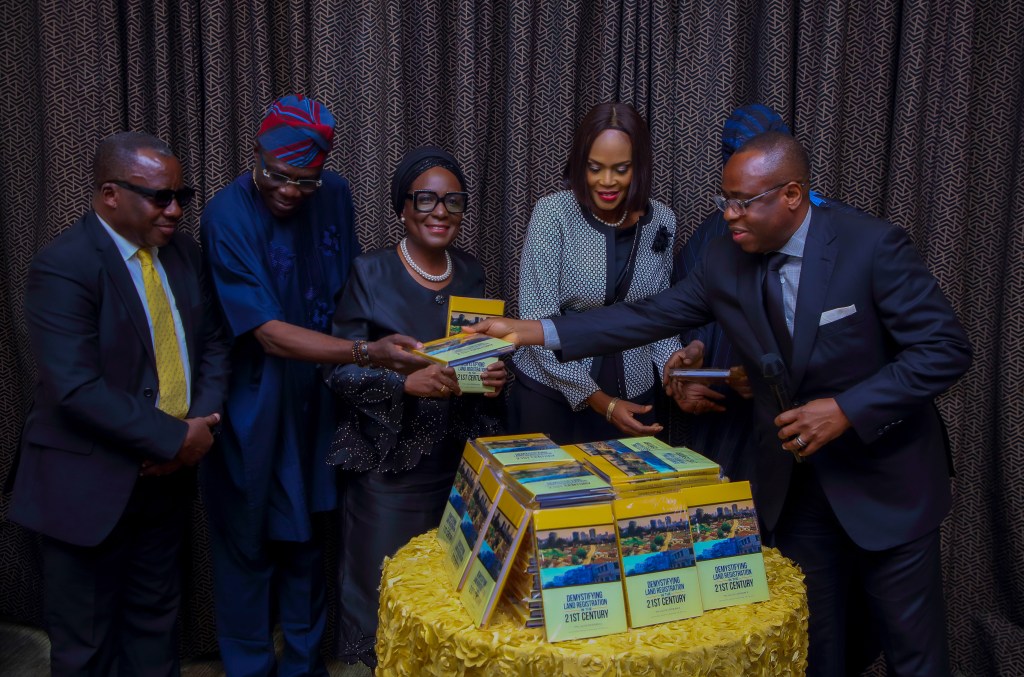
She described the challenge in the line of her duty at land registry as delicate and said the book is reach with practical scenarios and historical context.

Alli-Balogun said her office is very sensitive as it is saddled with keeping an up-to-date record of all land transactions in the state.
She added that it is the agency of government that is statutorily empowered to store registered documents relating to land by virtue of land instrument and registration law, CAP L8 (Laws of Lagos State 2003)
Professor Babafemi Odunsi of the Department of Business Law, Obafemi Awolowo University, Ile-Ife who reviewed the book lauded the works practical insights.
Speaking on the genesis of the book, Alli-Balogun shared her primary motivation: “While I was at the Registry, going close to seven years, I realized there were constant, repetitive questions being asked by customers. These questions, I felt, needed to be documented and answers provided. It was a way to reduce stress for both myself and my staff”. She added, “I would tell them, ‘Well, when we put it together in a book, just refer them to the book,’ It was simply to save time and energy.” Her decision to write the book while still in office was deliberate and strategic. “I often attended book launches and wondered: why do people wait until they’re about to leave office before writing? Once they do, people are encouraged to buy and support it, but there’s no room for feedback or engagement because the author is gone,” She explained, “So, I decided to give myself enough time to write mine, for people to critique it while I’m still in office.”
Alli-Balogun was fully aware of the challenge, describing the land registry as “a delicate, even controversial, area. It’s like a dungeon where anybody and everybody will have an opinion.” Yet, she was undeterred. “Nothing had been written on the Land Registry before. Even if I faced criticism, at least we’ve started something, a foundation for others to build on.
Emphasising its future utility, she stated, “That’s why the book induces both my predecessors and will be useful for my successors. It’s a reference for the future.” The book is rich with practical scenarios and historical context, areas the author felt were severely lacking in existing documentation. “As the Registrar, I encountered a lot of practical scenarios I wanted to document, at least to show how I provided answers to them,” she noted, believing readers can “find parallels and use that knowledge to navigate the system.” Reflecting on her collaborative process, she commended Professor Odunsi: “I must thank him, I wasn’t a regular student, more like someone using him as a reference point. He had a lot of patience with me…. He’d let me speak, then gently correct and say, ‘You’re the better judge in that area, you’re living it daily.’ Many professors wouldn’t do that; they’d impose their ideas. But he was different.” Ms. Alli-Balogun championed a customer-centric approach at the Registry. “I remember when I first came into the Land Registry and referred to them as such, people were a bit shocked. No one had ever called them that. But I believe that, as in any service setting, customers are always right. “She defines “customers” broadly to include “lawyers, novices, individuals handling their own transactions…. Even outsiders, those dealing with probate, rent, wills, or simply seeking family property history, can benefit. You don’t have to be a professional. You don’t have to be a lawyer.” She highlighted the books utility, adding, “The book outlines step-by-step processes: how to apply, where your application goes in this maze of a building, and what each point means in your transaction journey. It’s all mapped out.” This, she believes, empowers individuals. “You don’t have to place all your faith in a professional’s hands. I like to handle things myself. That way, you’re more in control.” During the goodwill session were many, including SANs, judges, lawyers of repute, civil servants and leaders in corporate Nigeria. Hon. Justice Sunmbo Goodluck added on a lighter note that the launch holding on the eve of Ileya, was reminiscent of the traditional Alli-Balogun of Lagos Island practice where the patriarch would forgive debtors, echoing a spirit of release and new beginnings. It was a gift that many prayed to get, just as the book is. As Alli-Balogun closes one chapter, her intellectual legacy in land registration has just begun, promising clarity and empowerment for all navigating Nigeria’s complex property landscape.
 securityandsafetymatters