
Right Based Organisation, the CLEEN Foundation has raised concerns over the inadequate budgetary allocation for the implementation of the Administration of Criminal Justice Law, ACJL.
The Foundation urges states to take intentional steps towards ensuring effective justice processes.
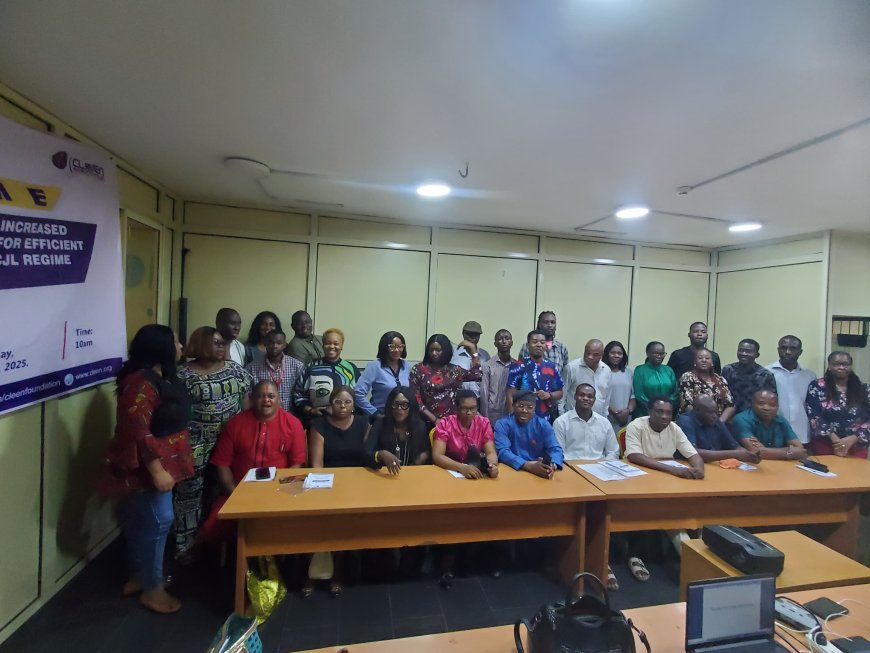
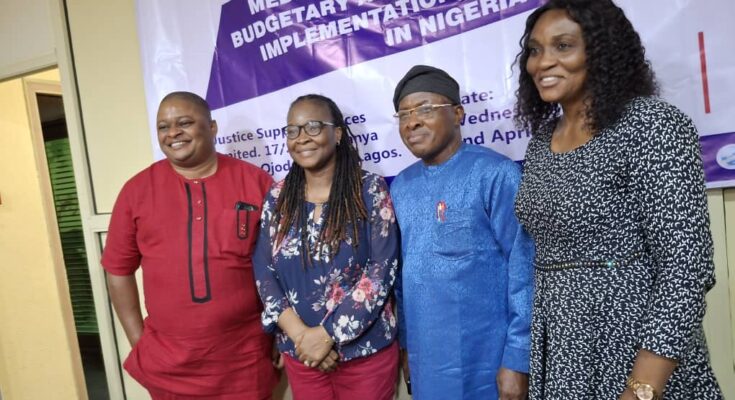
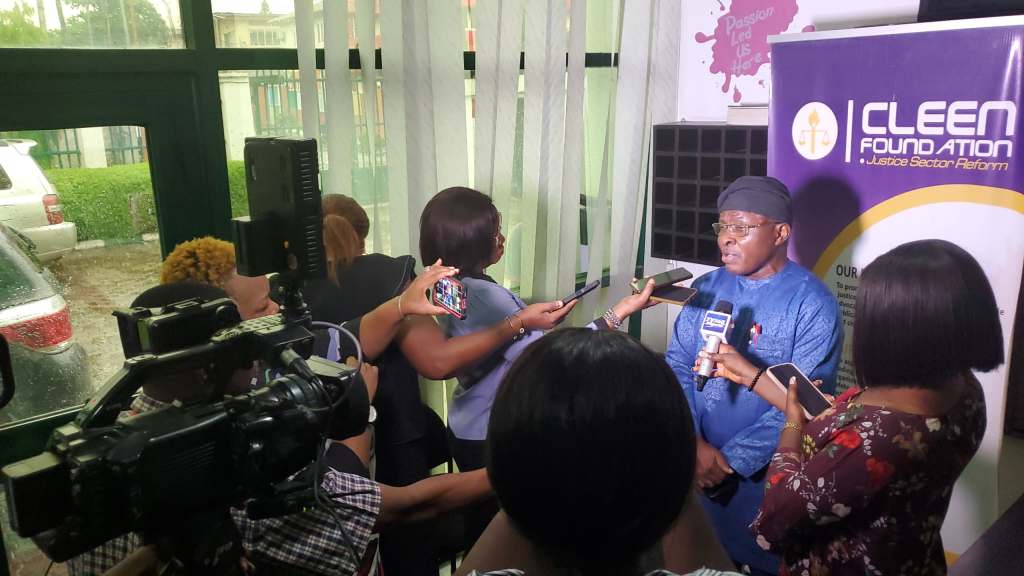
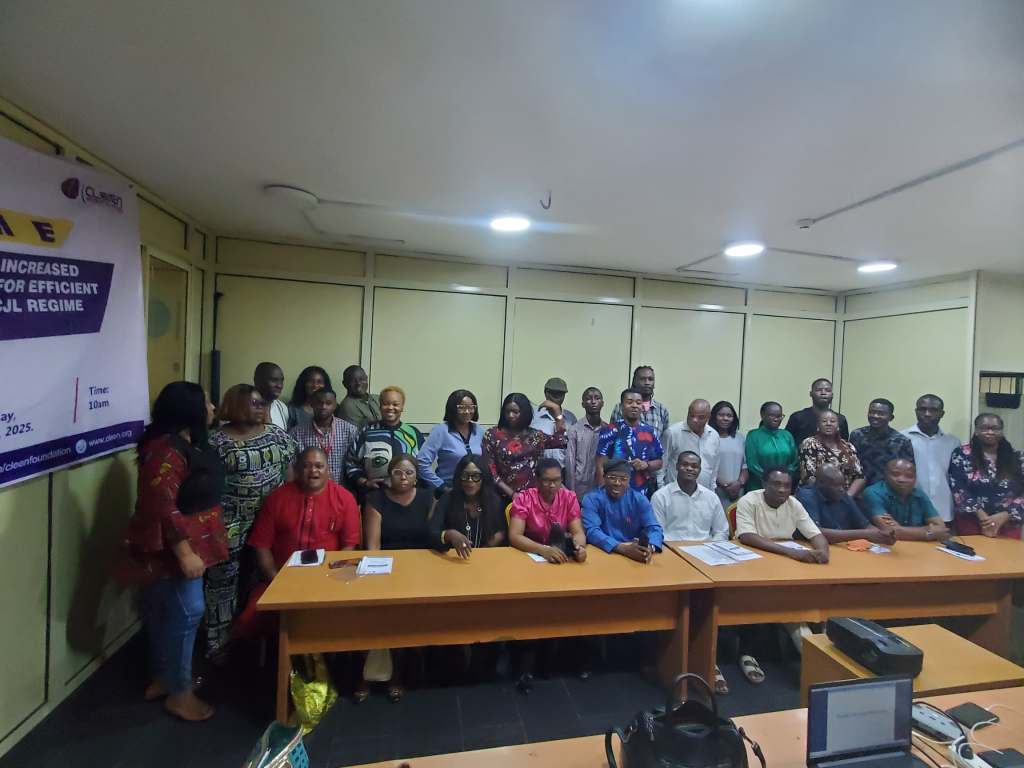
Its Executive Director, Peter Maduoma said this during a media dialogue in Lagos, emphasising the urgent need for increased funding to support the ACJL.
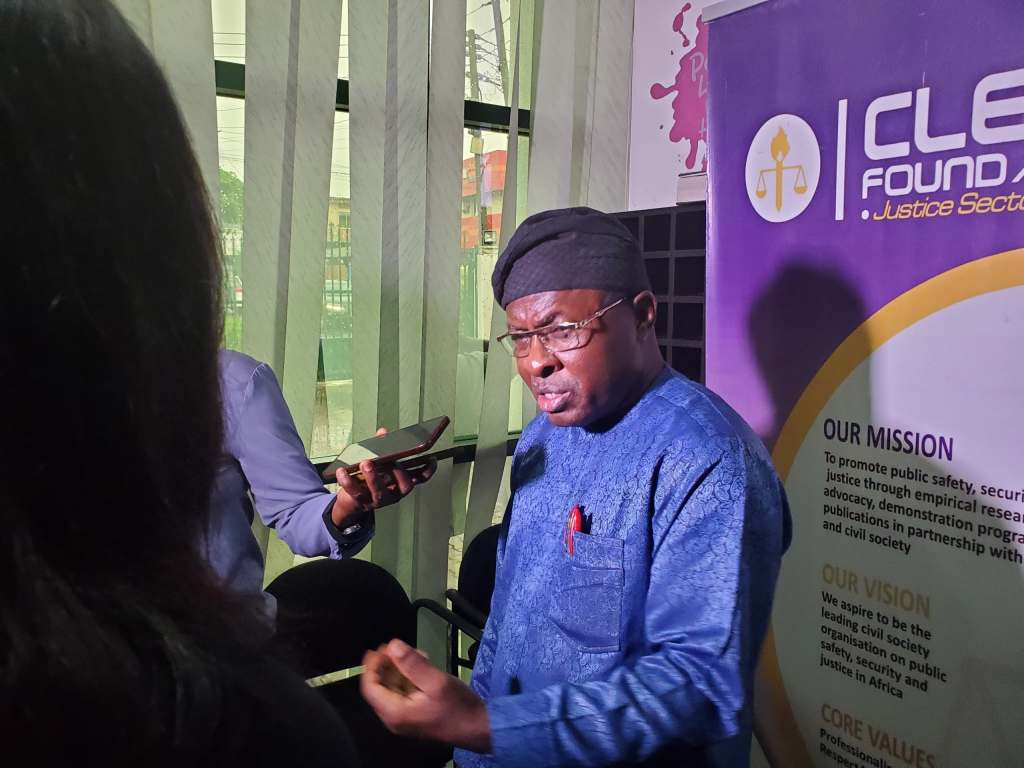
Maduoma highlighted the essential role of the media in driving reforms, urging them to continue spotlighting the issues hampering the implementation of the ACJL.
According to him, one of the major challenges facing the law is that many officials are expected to enforce it without proper knowledge or familiarity with its provisions.
Maduoma stressed that inadequate funding for criminal justice reforms often stems from a preference for capital projects, which offer visible political mileage, over initiatives that genuinely foster social change.
He pointed out that the tendency of government officials to invest heavily in infrastructure while neglecting judicial reforms has led to societal issues, including instances of mob justice, such as the recent unrest in Uromi, Edo State.
Maduoma commended the media for their role in disseminating information on criminal justice reforms, particularly under the McArthur Foundation project.
He noted that as the project nears its conclusion, sustained media engagement would be crucial in pushing the initiative forward for an effective and functional criminal justice system in Nigeria.
A recent study conducted by the foundation across eight states—Bauchi, Jigawa, Delta, Cross River, Edo, Kwara, Sokoto, and Katsina—revealed minimal efforts in addressing the challenges hindering the effective implementation of the criminal justice law.
Despite 35 states collectively allocating over N245 billion to local security outfits, weapons, and uniforms in this year’s budget, no significant effort was made to ensure the functionality of the criminal justice system.
CLEEN Foundation described this as a critical deficit, suggesting that the apparent neglect of justice sector funding could be a strategy to maintain political influence over the judiciary.
It said by fostering collaboration with civil society and ethical engagement with relevant stakeholders, the media can become a powerful ally in advocating for increased budgetary allocations that will ultimately lead to a more just and equitable society in Nigeria.
The call for adequate funding of the ACJL is not just a budgetary measure; it is a fundamental step toward reforming a system that serves justice and upholds the rule of law for all citizens.
CLEEN Foundation’s Programme Director, Dr. Salaudeen Hashim, underscored the importance of adequate funding for ACJL implementation.
Hashim stated that proper financial support would accelerate judicial processes, reduce case backlogs, and prevent undue delays caused by intermediate appeals.
He raised concerns over why state governments remain reluctant to adequately fund ACJL implementation, despite its critical role in ensuring justice.
Hashim emphasised that at the national level, the 2024 budget allocated only N73 million for ACJL implementation, a figure he described as grossly inadequate compared to the significant sums dedicated to office renovations.
He pointed out that the trend of prioritizing capital projects with potential financial benefits over systemic reforms requires urgent media scrutiny.
Further findings from the CLEEN Foundation revealed that many states have failed to establish Administrative Criminal Justice Monitoring Committees, which are responsible for ensuring compliance among criminal justice actors.
Even in states where these committees exist, they are either non-functional or lack the necessary framework to operate effectively.
Hashim warned that the gaps in implementation have led to justice becoming a commodity for sale, severely undermining the independence of the judiciary.
The lack of adequate infrastructure for justice delivery was also highlighted, with Hashim noting that despite ACJL provisions for modernized interrogation rooms, only Katsina State has met this requirement at its police headquarters.
This underscores the widespread neglect of crucial legal frameworks meant to enhance judicial efficiency.
CLEEN Foundation Head of Lagos Office, Blessing Abiri, wrapped up the session by stressing that laws often remain ineffective due to the failure of budgetary allocations to support their implementation.
Abiri reiterated that addressing the financial gaps is essential for achieving a robust and functional criminal justice system in Nigeria.
According to her, the financing of the administration of criminal justice law (ACJL) remains a pressing concern that is lol predominantly government-driven, with federal and state budgets serving as the primary source of funding.
In her words, the backdrop is critical as Nigeria approaches the budgetary discussions for 2025, a period that provides a unique opportunity for stakeholders, especially in the media, to spotlight the urgent need for increased funding for the implementation of the ACJL.
She said adequate funding is not just a financial issue but a keystone for accelerating judicial processes, reducing backlogs, and ensuring that litigations do not languish due to prolonged intermediate appeals.
The current landscape of justice in Nigeria reveals alarming deficiencies. The Ministry of Justice’s inadequate response to ACJL funding needs has led to a crisis where justice appears to be available only to those who can afford to pay for it.
Additionally, the absence or inactivity of the Administration of Criminal Justice Monitoring Committee (ACJMC) exacerbates the situation.
Moreover, infrastructural deficits plague custodial centers, which have become crime scenes in themselves, further compounding the challenges faced by law enforcement.
The lack of forensic experts and laboratories severely hampers effective investigations and prosecutions. Moreover, the mental health of justice actors is often overlooked, leading to a workforce that is ill-equipped to handle the demands of their profession.
Inadequate political will to reform the criminal justice system is also cited. The legislative houses have failed to provide necessary appropriations and oversight. Additionally, the executive branch’s manipulation of judicial welfare for political leverage has raised concerns about the autonomy of local government authorities and the responsibilities of judicial councils in addressing these setbacks.
The media and civil society organisations (CSOs) are positioned uniquely to advocate for change. Consistent media engagement can foster greater awareness of the systemic issues plaguing the ACJL implementation. Investigative journalism is crucial in holding the government accountable, particularly concerning budget releases and the prioritization of projects that often sideline justice delivery.
The media must also focus on highlighting successful practices in states such as Delta, tracking human impacts and articulating incidents of negligence.
This role extends to promoting transparency and accountability in governance and elevating voices advocating for equitable justice, free from political interference.
The narrative surrounding Nigeria’s criminal justice system is intertwined with immediate and far-reaching implications for the populace. As we approach the 2025 budget discussions, it is imperative that journalists prioritize in-depth reporting and analysis of the ACJL. Their work must center on the voices of the people, emphasizing issues that affect them, and ensuring that the struggles within the justice system are accurately represented and addressed.

