
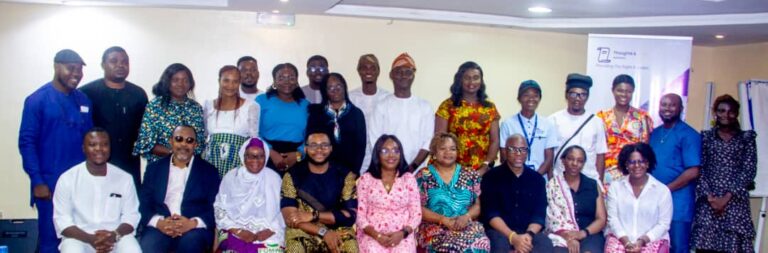
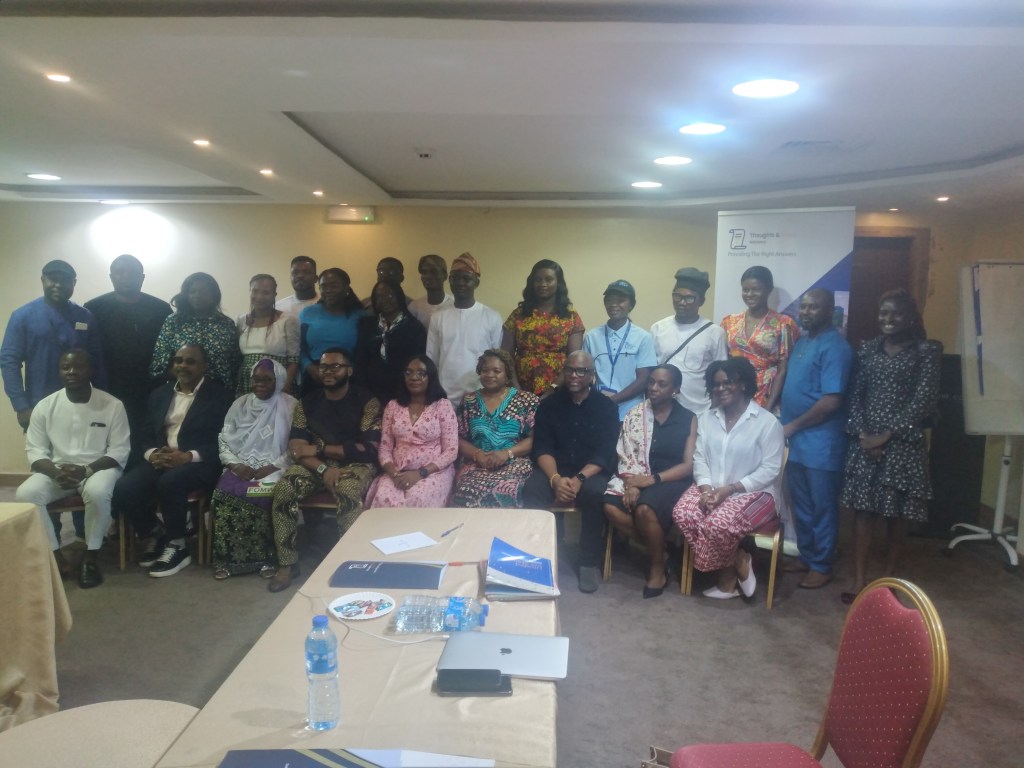
Thoughts & Mace Advisory has lunched a policy document in addressing Polarisation among Civil Society Organisations (CSO’s) despite different ideology.
The launch is a commitment to action, as the document serves as a tool for CSOs, funders, and policymakers to rethink collaboration, build trust, and find solutions to polarisation.
Setting the tone for the launch, the Program Manager of Thoughts and Mace Advisory, Joy Ekanem delivers the opening remarks, underscoring why the conversation on polarisation within Nigeria’s civil society sector cannot be ignored.
Ekanem said the launch of the document is about confronting the challenges head-on and identifying solutions that will strengthen unity and collective impact as the policy document is only as powerful as the insights it provides and the actions it inspires.
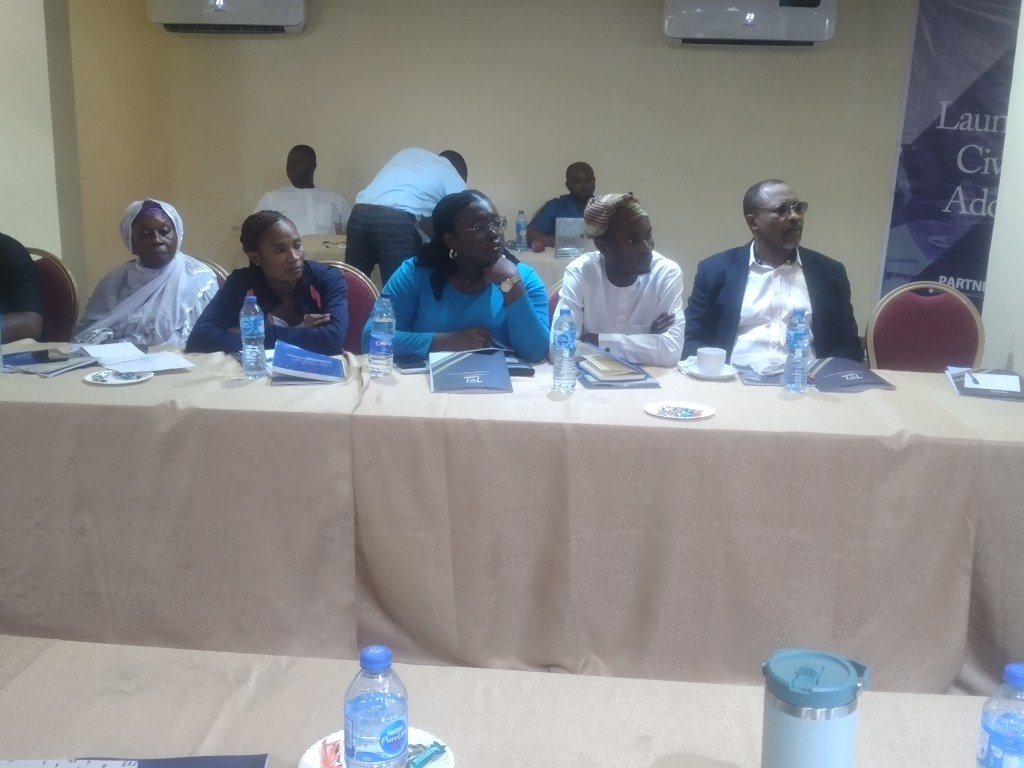
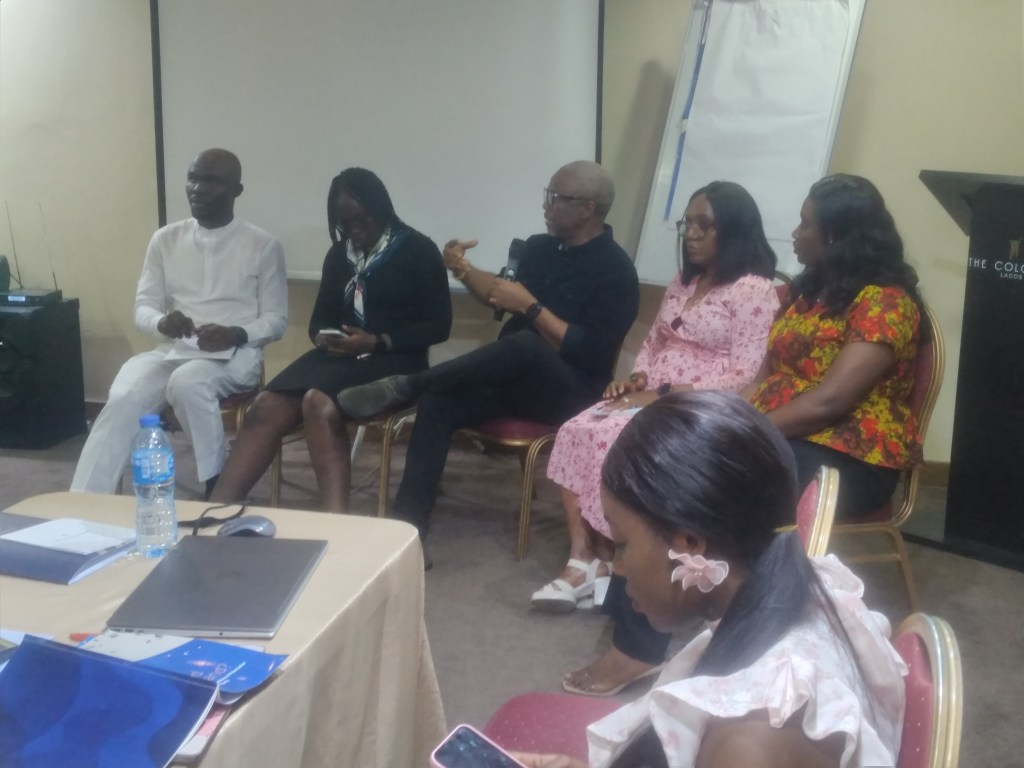
According to her, the purpose of the conversation is to address polarisation within civil society organisations.
In her words, they understand the very important role that civil society organisation play, the advocacy work that they do in governance, elections, inclusivity through the thematics.
Ekanem said they have realised that because of how important the roles are, there is a clear division which is not a problem like they have highlighted in the course of the conversation.
According to her, it is okay to have different idealoogy, however, the CSO’S must put the interest of beneficiaries first, the interest of the nations first amplified with a shared goal in mind rather than the interest of one organisation.
For her, backed by the Ford Foundation and spearheaded by Thoughts and Mace Advisory, the initiative embarks on a mission to explore the root causes, manifestations, and consequences of polarization within Nigeria’s civil society sphere.
In her words its overarching goal is to illuminate the intricacies of polarisation and pave the way for constructive dialogue, reconciliation, and collaborative action. Through extensive consultation with numerous CSO partners, in-depth research, and the collection of individual experiences and perspectives, the project aims to delve into the complexities of this issue.
At its essence, the project acknowledges that polarization is not a distant concept but a tangible reality for many organisations and individuals within Nigeria’s civil society. Through a comprehensive approach, the initiative seeks to:
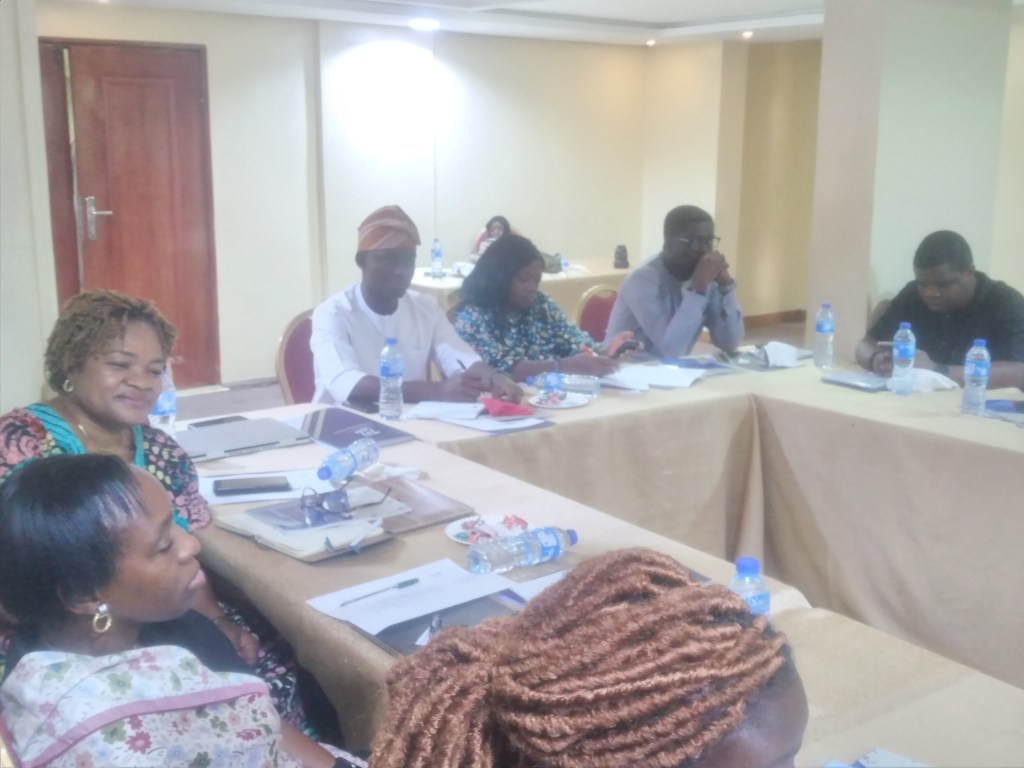
The Director of Talent Ashoka Africa who doubles as the regional director Anglophone Africa, Josephine Nzerem asked how can we set-up systems where there is heightened collaboration. Where we do away with our differences and come together. Because, the silos we are working is not effective but when we move away from those silos, how can we look at the problem we are facing and design solutions for the good of all.
“Knowing that the purpose is for all to have a better Nigeria and that is what all of us want. How can we ensure that we are building towards that ?” she rhetorically asked.
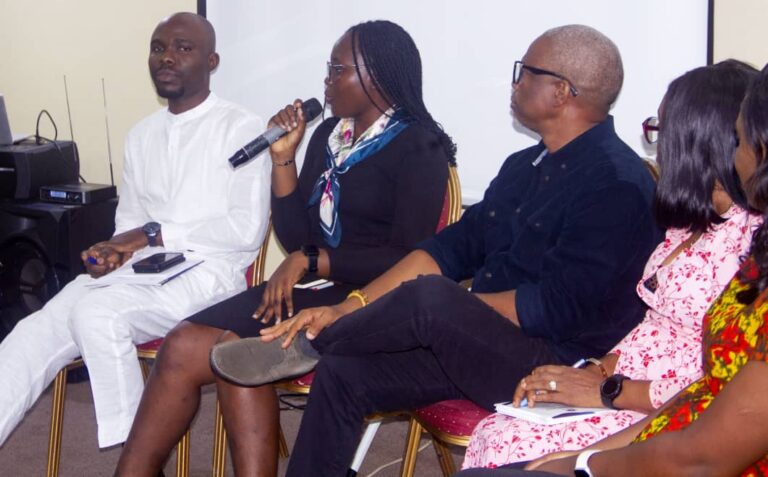
Aaccording to panelist at the event, the critical thing here on polarisation in Nigeria is for us as CSO’s to look for our major drivers of Polarisation within our rights and we deal with it.
“One of the key things we push today is for us to build more collaboration amongst ourselves and for us to have clarity on our mission and our vision and importantly to deal with the challenges around mistrust and distrust we have within the sector.
“We think that some of these things would help us build better cohesion as CSOs in Nigeria and again deal with the challenges Polarisation has caused for us”.
the greatest thing participant can take home as individual CSOs is the element of Polarisation in their different organisation and to begin working around in dealing with it.
Some of the organisations at the event include CERWHIN, Elixir Trust Foundation, Wole Soyinka Foundation, Budgit among others.
Statement of Commitment read at the end of the Launch of the Policy Document and Civil Society Dialogue on Polarisation held the Colossus.
The policy document is a call-to-action for all of us to collaborate to address the hydra-headed monster called polarisation.
We need collaborative leadership, as hierarchical leadership has failed us.
Partnership is important to collapse the siloes that we operate in, maximise our strengths to achieve maximum impact.
It is important for older CSOs to mentor young and emerging CSOs; knowledge of the civic space is also very important. But it is also important for older generation to remove the toga of age and learn from the younger generation and collaborate more with them in the areas of their strength.
Trust is low, as CSOs we need to be more transparent with the way we spend our funds and a lot of us are doing that with our annual reports.
Organisational Values play a strong role in determining collaboration and partnership between organisations. Trust, honesty and accountability also play a central role in whom we choose to work with.
In the light of dwelling resources, we need to begin to think like businesses; think about mergers and acquisitions so organisations with fantastic ideas do not die out. Learn also think deep about how we manage our funds and restrategise for our survival. We have to find a way to survive first before we can talk about building on our legacy.
It is important to agree on a framework that we can all understand; a framework that goes over and above our different biases; and also communicate in a language that we all understand; sometimes, using vlog to pass across your information than burying it in text that your audience (and most especially the younger generation) might not read.
Another way of implementing the recommendations and advancing collaboration is to build a community of practice; with a community of practice, we can self-regulate and hold ourselves accountable. We should be intentional in setting up this community of practice; be alert and engage every policy of government.
We should be shy in putting out our ideas and working with colleagues; consider that every idea of yours that is stolen is being scaled.
Every CSO should be on social media; use it to advance your work; to combat misinformation. The importance of a communication department cannot be overemphasised.

