
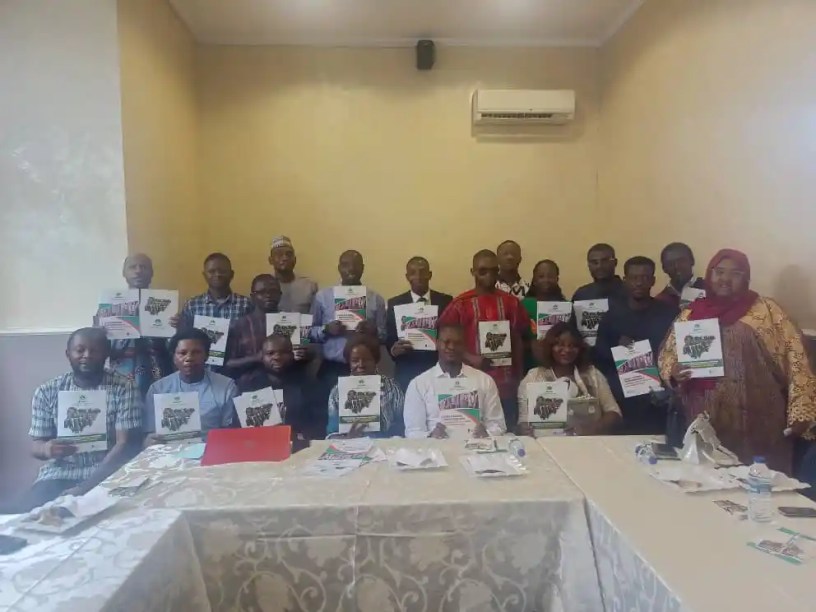
The Civil Society Legislative Advocacy Centre, CISLAC, in collaboration with Transparency International Defence and Security Program, addressed corruption in Nigeria’s defence and security sector, focusing on financial management, gender inclusion, and operational disparities.
CISLAC Executive Director and Head of Transparency International in Nigeria, Auwal Musa Rafsanjani, emphasised the need for urgent reforms.
Rafsanjani highlighted the impact of corruption on the country’s security apparatus, stating reform initiatives in the Defence and Security sector must remain sacrosanct, particularly at a time like this when Nigeria battles an epidemic of multi-dimensional security threats such as Boko Haram, ISWAP, banditry, and kidnapping.”
He detailed systemic corruption in the sector, including shady procurement processes, inflated contracts, and excessive secrecy.
“Major drivers of corruption include inter-agency rivalry, phantom contracts, delayed appropriations, and weak oversight activities. These challenges have hampered counter-terrorism operations, endangered lives, and undermined the morale of frontline troops.”
Rafsanjani also pointed to high-profile corruption cases, such as the Independent Corrupt Practices and Other Related Offences Commission’s (ICPC) 2022 raid of a military contractor’s home, which uncovered N1.8 billion in cash and luxury items.
Rafsanjani lamented the misuse of “security votes” by state governors, stating Transparency International raised alarm that over N241.2 billion annually spent on security votes was unaccounted for by the Government in Nigeria.”
CISLAC launched policy briefs to address financial, procurement, and gender issues in the defence sector.
Rafsanjani called on the media to play a vital role in demanding accountability, saying the need for media agenda-setting to provoke independent oversight and immediate reform in the defence and security sector cannot be overemphasized.
The CISLAC Executive Director, who Jimoh Abubakar, highlighted the global trend of secrecy in military operations, noting how it hinders transparency, even basic items like pens and paper are classified as ‘secret.’ This excessive secrecy excludes the defence sector from civilian oversight.
Rafsanjani also critiqued outdated laws, including the Official Secrets Act, Procurement Act, and Freedom of Information Act, which he claimed shield the sector from scrutiny.
“Without proper amendments to these laws, we will continue facing the same challenges. Transparency and accountability must be prioritized to rebuild trust and efficiency in the sector.”
Rafsanjani expressed concerns about the National Assembly’s role in addressing corruption, highlighting conflicts of interest within legislative committees overseeing defence budgets and operations:
“Some legislators have vested financial interests, compromising their ability to ensure accountability. Capacity building is essential to enable legislators to effectively interrogate the sector’s complex operations.”
He urged civil society and the media to amplify their voices, saying the media and civil society must ask questions and reset the agenda. When everyone speaks out, accountability becomes inevitable.
The event concluded with recommendations for amending existing laws, enhancing transparency in military procurement, and improving gender inclusivity.
CISLAC emphasised that collaboration between civil society, media, and the government is key to addressing these systemic issues.

