
A Civil Rights group, Partners West Africa Nigeria, PWAN, has emphasised the critical role of the media in the advocacy to popularise and create awareness on the new Nigeria Police Act 2020.

The group made this known at a Media Townhall Meeting on Human Rights, the Police Act 2020 and Regulations organised by Rule of Law and Empowerment Initiative also known as PWAN held at Toyin Street, Ikeja.

The townhall meeting was themed: “Enhancing Police Governance: Deepening Understanding of the Police Act 2020 and Regulations Across Nigeria.

In her remarks, its Communications Officer, Ogechukwu Mohanye said despite the fact that the new Police Act, ratified in 2020, marked a historic reform of the Nigeria Police Force by embedding new standards in transparency, accountability, and respect for human rights, over three years after enactment, significant gaps in public understanding still exist.

She stressed that it was in recognition of the gaps that PWAN resolved to organise series of engagements with stakeholders among which is bringing journalists from various outlets to learn and collaborate on informing the public about the Act’s new regulations.

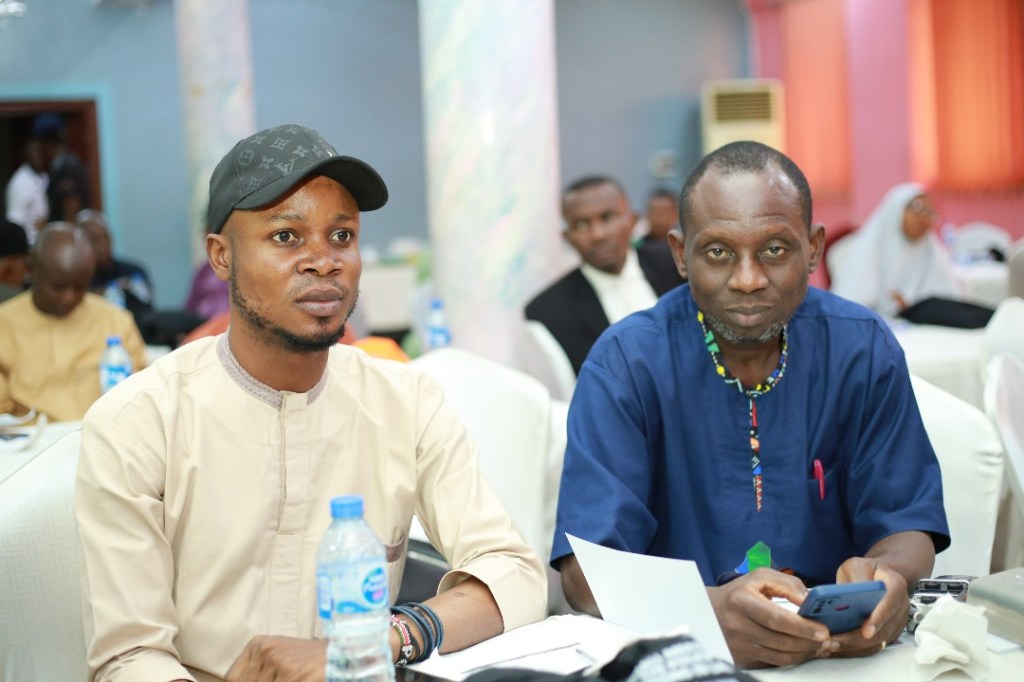
According to her, through the town hall meeting they were addressing essential issues within the Police Act 2020 and the media’s role in making them accessible.

Mohanye added that the media remain a key component in informing the public on rights-preserving measures, saying by virtue of the Constitution, the media is an essential partner in accountability.


According to her, a central goal of the meeting was to provide journalists with practical insights to responsibly report on police activities, especially in sensitive areas like arrests, stop-and-search procedures, and profiling.
In her Presentation, a Lawyer at Noprim Foundation, Precious Osinaku said the new Police Act safeguards citizens from arbitrary actions such as prohibiting the police from extracting statements without legal representation among others.
Osinaku said with regard to press freedom concerns, the new Police Act aims to create a balanced framework where journalists can access information while respecting certain restrictions on disclosing sensitive details that might hinder investigation or endanger lives.
She urged journalists to leverage their platforms to spotlight the Police Act and keep citizens informed on the reform process, saying when people understand the scope of police reforms, they can better hold law enforcement accountable as only then can they foster the accountability and transparency that this law seeks to establish.
In his presentation, Tosin Osasona called for collective efforts on promoting awareness and understanding of the Police Act 2020 in order to foster a culture of accountability and respect for human rights.
Osasona said the Act prioritises transparency, accountability, equity, and fairness, adding that it sets clear boundaries on how law enforcement interacts with the public, especially in terms of information disclosure and protecting citizens from unjust treatment.
He stressed importance of community policing, police accountability, and citizen engagement, saying Nigeria has faced systemic issues in its policing, characterised by allegations of corruption, misuse of power, and a significant disconnect between police operations and community expectations.
According to him, the problems have been exacerbated by a lack of comprehensive understanding and inconsistent implementation of policing laws among the officers and management of the Nigerian Police Force.
The meeting featured a presentation that highlighted the core components of the Police Act followed by a three-person panel of discussants who explored the dynamics of reporting police and rights abuse.
 securityandsafetymatters