
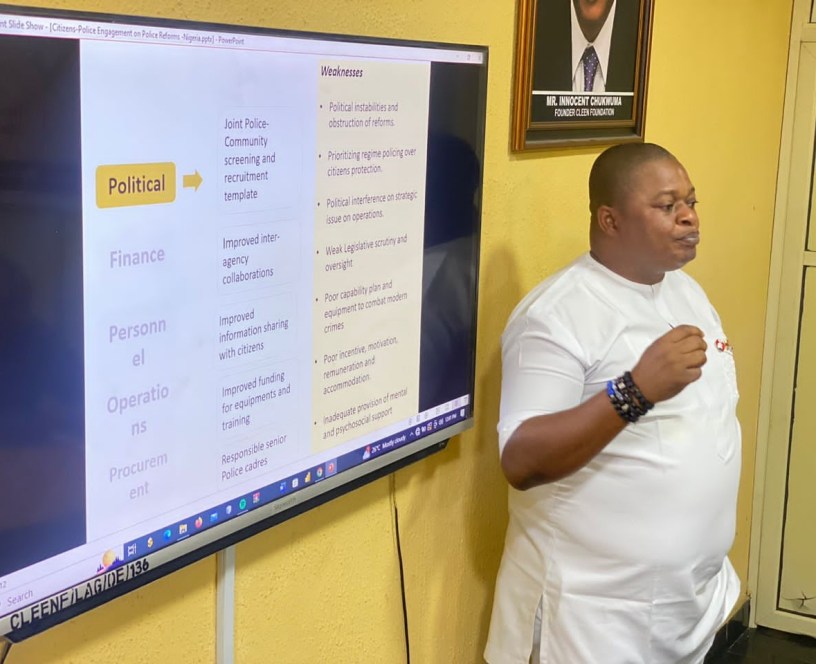
CLEEN Foundation has stressed the need for more gender sensitivity in police reforms law as findings from it’s research suggested that the policing laws are still very much gender blind.
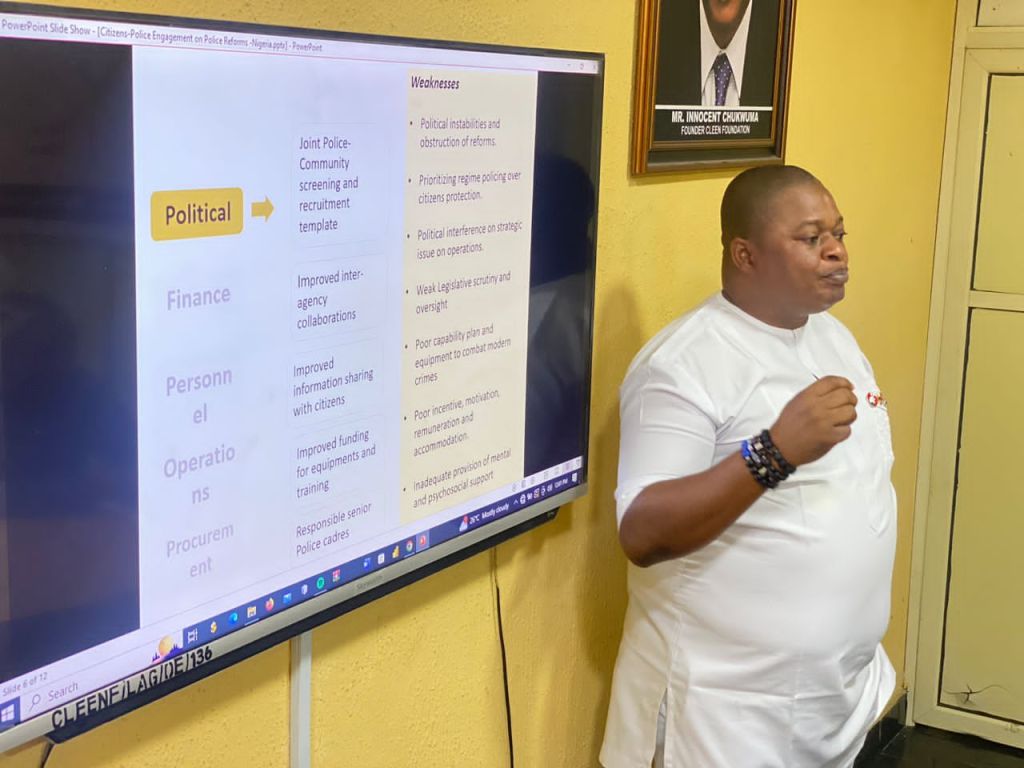
The right based organisation says there are still provisions within the policing system that did not support some gender responsive plan particularly as it bordered around contemporary needs stating that modern policing required some level of parity and balancing.
It says the policing infrastructure has what is called the Gender Desk but again the laws are not in tandem for instance there is a part that provides discriminately provisions and those discriminately positions are areas they are concerned about.
According to its Programme Director, Dr Salaudeen Hashim, there must be political will for any reform to achieve it’s desired result and objectives, saying the federal government already showed political support in terms of how the reform gender can be achieved.
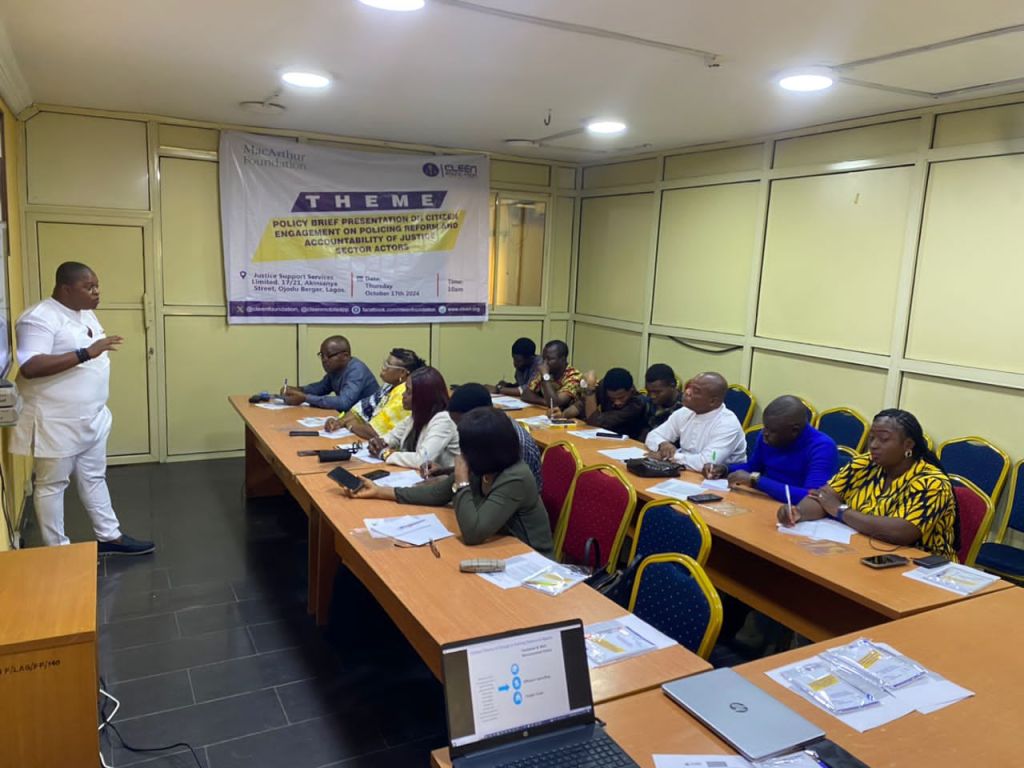
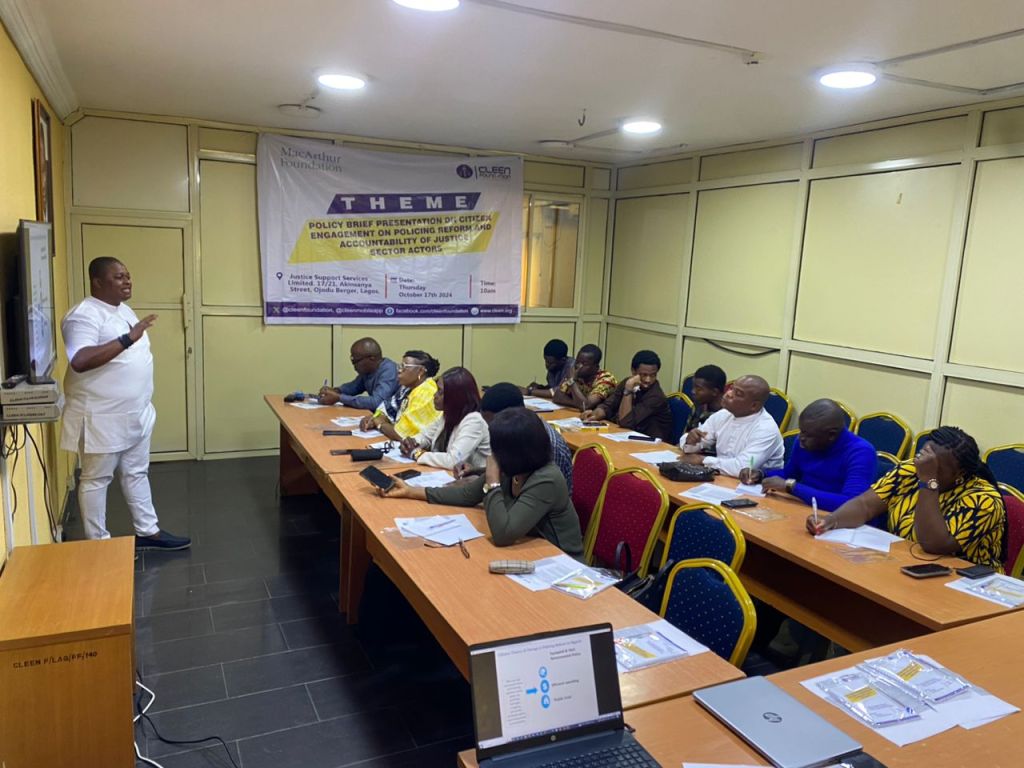
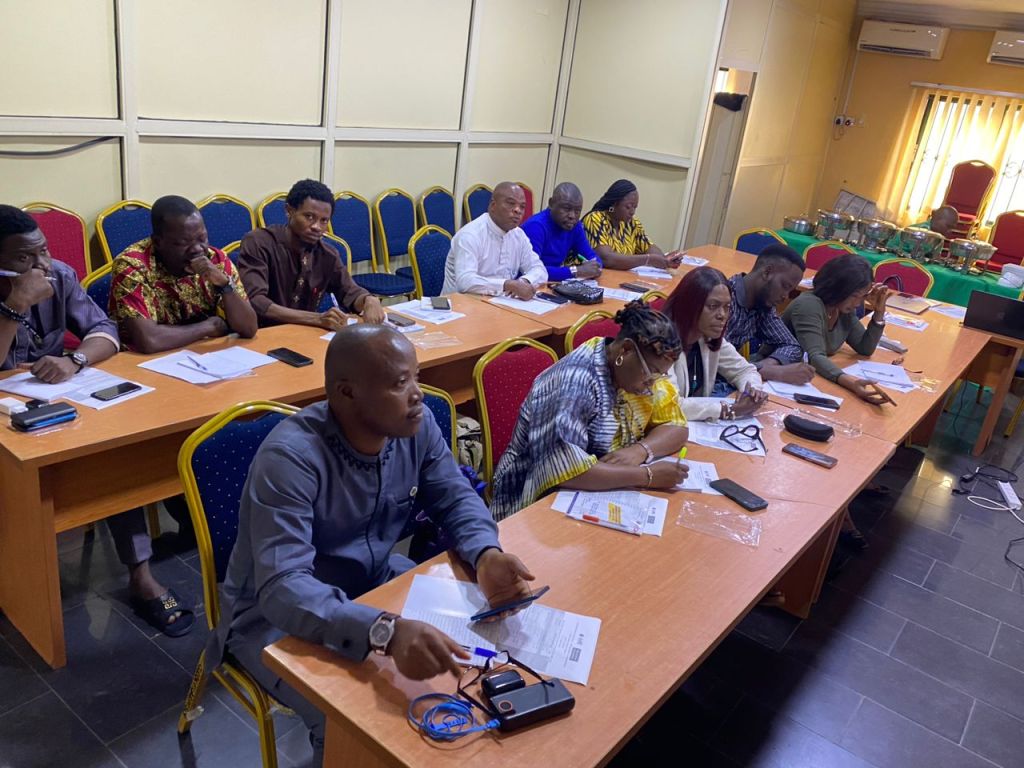
Hashim says the foundations carried out a two-day Citizens’ Engagement on Policing Reforms and Accountability of Justice Sector Actors in eight states under its MacArthur Foundation project to address challenges peculiar to policing reforms.
He said this at a Policy Brief themed: “Presentation Of Citizen Engagement on Policing Reform And Accountability of Justice Sector Actors” at CLEEN Foundation Hall, Innocent Chukwuma House, Akinsanya St., Ojodu, Lagos.
Hashim said at the subnational levels, there were series of challenges and setbacks, hoping that the subnational level government will also help share the vision with the national level to see that they sync and there is consistency.
In his words, we expect a policing that is modern, respects the right of people, safe guards, protects, guides, and that is not biased or has personal vendetta.
According to him, one that people can actually see and be confident and have trust in as partners in progress towards improving our security system.
A modern police force respects people’s rights, safeguards and protects, and provides proactive protection. It should not engage in misconduct or have a biased agenda. People should have confidence and trust in the police and see them as partners in progress.”
“You cannot achieve adequate and sustainable human security without addressing economic security. As long as people feel disenfranchised and livelihood is challenged, criminality will continue to rise.”
The Programme Director said the challenges of effective policing include lack of equipment, training and most importantly, public trust which he said was the biggest challenge of them all.
According to him, already there are some kind of attempts from different quarters to improve the confidence of citizen policing and the entire policing infrastructure which has actually been working.
In his words, there are tactical level challenges and those challenges are those everyday police officers who interface with the people but do not share the vision with the strategic level officers, saying the divide and contrast is where the challenges truly lies.
Hashim said CLEEN Foundation initiative aimed at strengthening the entire policing system and to work with the system to improve their mandate of responding to the needs of the citizens.
He said there is this concern that access to justice and security is something that is not been informed by human security needs but by regime security.
According to him, so, we are about complementing the effort of the state, particularly the policing institutions to be able to deepen the confidence of the people.
“We also sensitise the public on the role they have to play in supporting the entire process of policing and policing infrastructure because the system is actually owned by the people,” he said.
The director said one could not achieve adequate human security without taking into consideration the entire pyramid that complements the entire security components and that is the issue of economy security.
“As long as the people still feel very disenfranchised, feel resentment, poor livelihood and are still within the poverty corridor, tendency are there that criminality will be on the rise and will continue to be on the increase,” he said.
According to Hashim, the National Bureau of Statistics states that inflation rate had risen to about 33 percent adding that our per capital income was also been challenged.
“Human Development Index in this country is being undermined and if you put all these indicators together, it shows in clear terms where the president needs to focus and do differently.
“If we can deal with the issue of economy and how to manage it in such a way that people can actually feel safe, tendency is there that the issue of insecurity will be dealt with by 50 percent,” he said.
The director said insecurity in the country came down to competition for resources and that if the government was able to manage resources to ensure even distribution, it would further lower the level of insecurity.
Hashim also said if the government ensured some level of participation of the citizens in the security architecture of the country, we would have less level of threats and insecurity.
 securityandsafetymatters