Drug abuse is now a major issue worldwide, as numerous nations invest a significant amount of money in their efforts to combat the illicit drug trade.
Despite the fact that numerous organisations, laws, policies, and regulations have been put in place in Nigeria to combat the distribution and consumption of illegal drugs, the rising number of drug users has become outrageous.

Drug abuse has persistently remained a growing global challenge, as it poses a dangerous to threat to social, health, economic, political and the entire countries of the world as Nations face the problem of one or more drug abused by its citizens, especially citizens within the age bracket of 15-45.
Drug abuse at global level has brought problems such as increase in violence and crime, mental and health challenges, largely witnessed in most developing countries, like Nigeria.
Terrible activities that are carried out by youths are widespread in Nigeria, raising a lot of concern among stakeholders, including the government, private organisations and the entire society.
Beginning from primary school level, peers are involved in organized crimes and disrupt free flow of academic activities, while in secondary schools and universities, there is existence secrete cults and their violent
activities which have remained a threat to lives and properties.
Outside the schools and universities, there is high rate of ritual killings among the youths, who are the most populous sect of the Nigerian population, and the highest in the election demographic population.
Report says nearly 15% of adult population in Nigeria (around 14.3 million people) is involved in the abuse of drug especially Cannabis Sativa, popularly known as Indian hemp.
The National Drug Law Enforcement Agency corroborates this as they maintain that the situation has been worsened as most youths can easily access and afford substance of abuse such as Cough Syrups, Lizard wastes, Gums, and Cannabis (Indian hemp).
The agency reveals that the Nigeria is in dire need of serious action to tackle drug abuse in Nigeria, adding that drug abuse has significant link to rising insecurity and criminal activities in the country.
According to the agency, 14.4 per cent of Nigerians are presently engaged in drug abuse, saying 27.7 per cent of the 14.4 per cent of those concerned were youths who should face their studies and called for change in the narrative to secure their future.
It says the country’s national policy on narcotic drugs and psychotropic substances was based directly on its constitution’s directive principles, saying the principles directed state to bring about prohibition of the consumption, except for medicinal purposes.
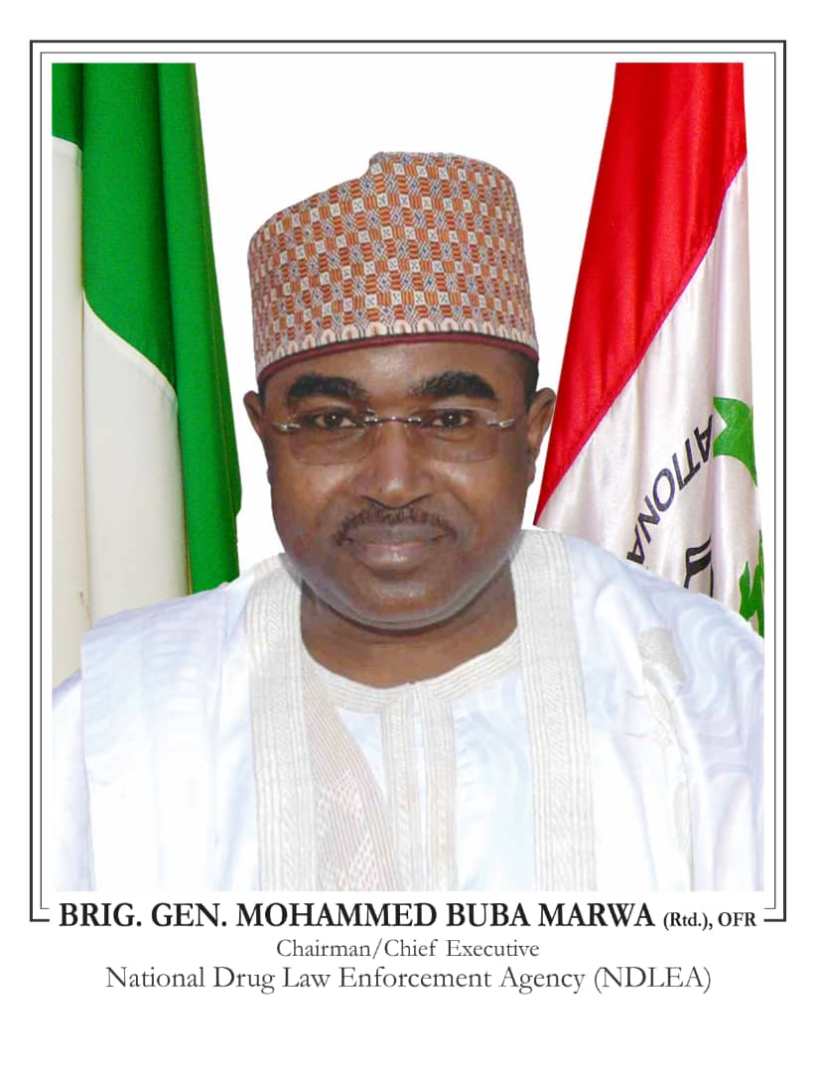
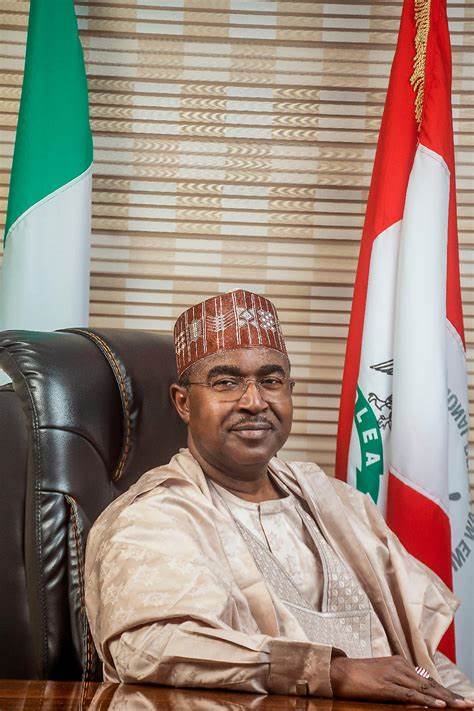
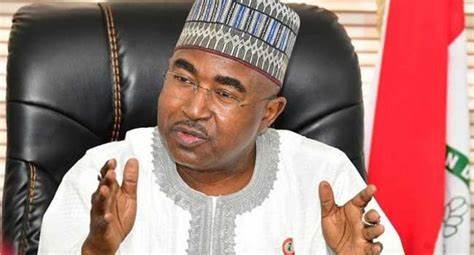
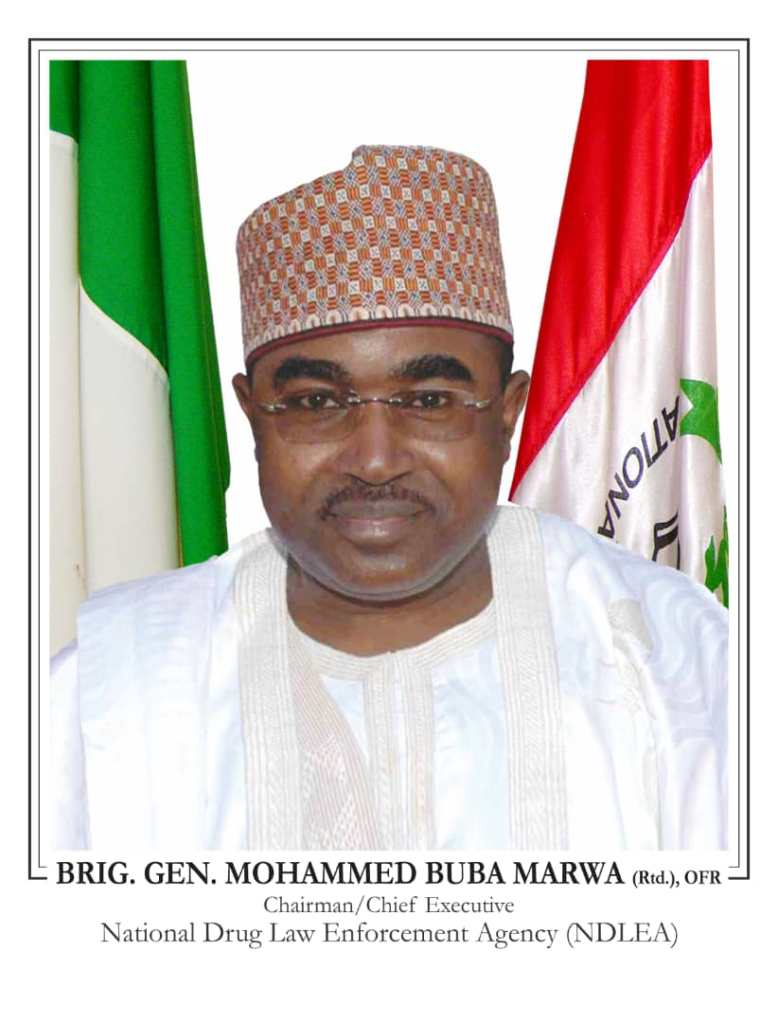
Its Chairman/Chief Executive Officer, retired Brigadier-General Buba Marwa said drug abuse has assumed a frightening dimension in the country, with over 14.3 million Nigerians, aged 15-64, using psychoactive substances.
Marwa said the most common drug of use is cannabis, followed by pharmaceutical opioids, cocaine and heroine, saying situations, where youths are not well guided, at home or in school, make them choose wrong peers, leading to experimentation with drugs.
According to him, consequences of drug abuse by youths include terrorism, kidnapping, rape, suicide and cultism.
He said addressing drug abuse in Nigeria requires a comprehensive approach that includes prevention, treatment, rehabilitation and reintegration with families and the larger society, while treatment and rehabilitation services should be accessible, affordable and culturally sensitive.
Marwa also stressed the need to infuse drug education and life skills into school subjects and provide preventive drug education to help youths understand dangers inherent in abuse and illicit trafficking.
He said the future of Nigerian youths is closely tied to how society addresses the issues of culture and drug abuse, saying it is essential to empower young people by providing them with quality education, skill development, employment opportunities, access to healthcare and social support systems.
In his words, drug and substance abuse among Nigerian youths is a critical issue that deserves urgent action, not only by government and its relevant agencies, but also by families, religious bodies, sociocultural organisations, civil society groups and the mass media.
In taming the menace of drug abuse, Marwa said the NDLEA recently, launched the War Against Drug Abuse, WADA, initiative to rally Nigerians to actively partake in the war against drug abuse, which it said was taking a frightening dimension in the country, and also warned had risen to emergency levels.
He reeled out some statistics saying Nigeria was not only the highest user of cannabis worldwide, but stated that revelations from kidnapped victims had corroborated the facts that illicit substances were enablers of insecurity currently plaguing the country.
He noted it is not difficult to conclude that drugs have been catalysts of terrorism, kidnapping, banditry, armed robbery and various violent conflicts currently troubling the country.
 securityandsafetymatters