

The synergy between all Organs of government both at the National, Sub-National level, must be greatly enhanced to ensure the benefits of the digital economy are accessible to all Nigerians.

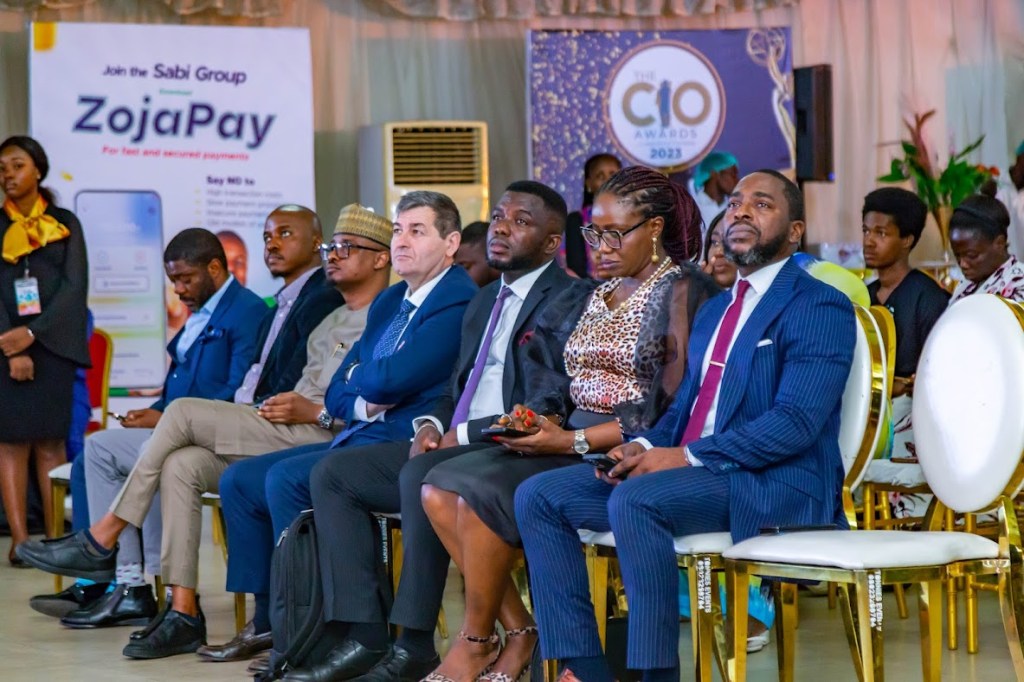
This is according to speakers at this year’s Chief Information Officer, CIO, Club Africa Summit, include the government, the private sector, civil society, and individuals who must all play their part in building a digital economy that is inclusive.

They urged that critical stakeholders, involving the government, private sector, civil society and individuals must all play their parts adequately in building a digital economy that is inclusive, equitable and sustainable.
According to Director-General/Chief Executive Officer of National Identity Management Commission, Aliyu Aziz, mentioned how the country had made remarkable strides in advancing its digital infrastructure, expanding connectivity and promoting financial inclusion.
Aziz spoke on ‘Digital Economy and the Nexus Between e-Identity, Connectivity and Financial Inclusion’, saying achieving the trio would be crucial to driving sustainable growth and development in the digital age.
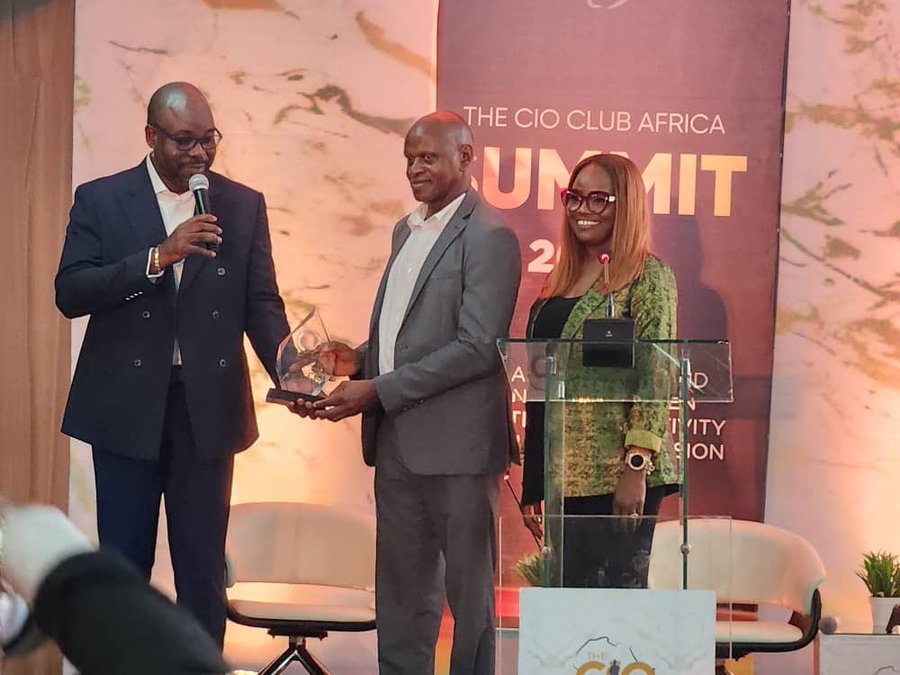
He spoke through Director, Database, Femi Fabunmi, saying the benefits have the potential to transform the lives of millions of Nigerians, by providing them with access to essential services, promoting entrepreneurship and innovation, as well as driving economic growth.
Noting that the importance of connectivity in the digital age could not be overemphasised, he said the digital economy relies on high-speed internet access and reliable connectivity to function effectively.
He mentioned that Nigeria has made significant progress in expanding broadband access, with initiatives such as the National Broadband Plan and the licensing of new broadband providers.
However, he added that more needed to be done to ensure that all Nigerians have access to affordable and reliable connectivity, particularly those in rural areas.
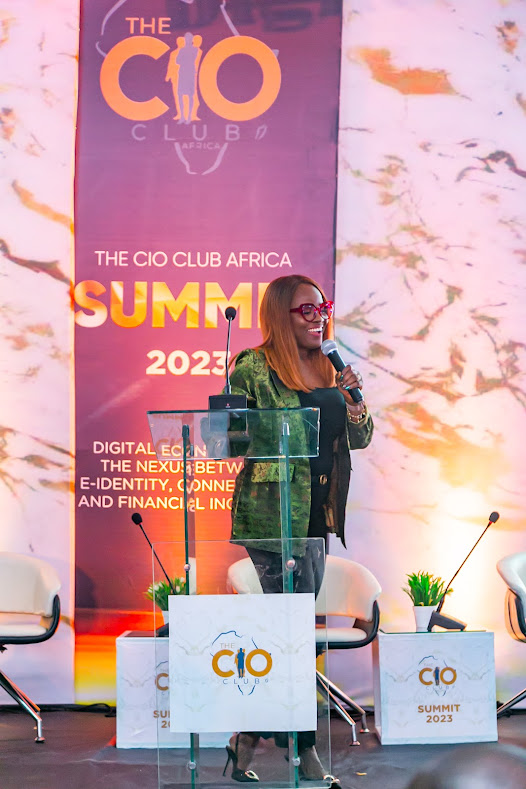
Convener, the CIO Club Africa, Abiola Laseinde, emphasised how the summit is changing the narrative through the engagement of critical stakeholders, including the government to enhance the nation’s digital economy.
Citing advocacy, empowerment, think-tank and research and development, Laseinde, mentioned how the summit had played on advocacy, which is one of the Club’s four strategic pillars.
She said objective of the summit was how Nigeria could achieve a digital transformation journey seamlessly, by effectively embracing technology and innovation.

