Ahead of the 2023 general elections, the media must avoid making judgmental statements and accurately portray reality if the election is to work properly.
They should not only aid in the dissemination of information but also the suppression of hate speech, promotion of balanced views, and the establishment of information equilibrium.
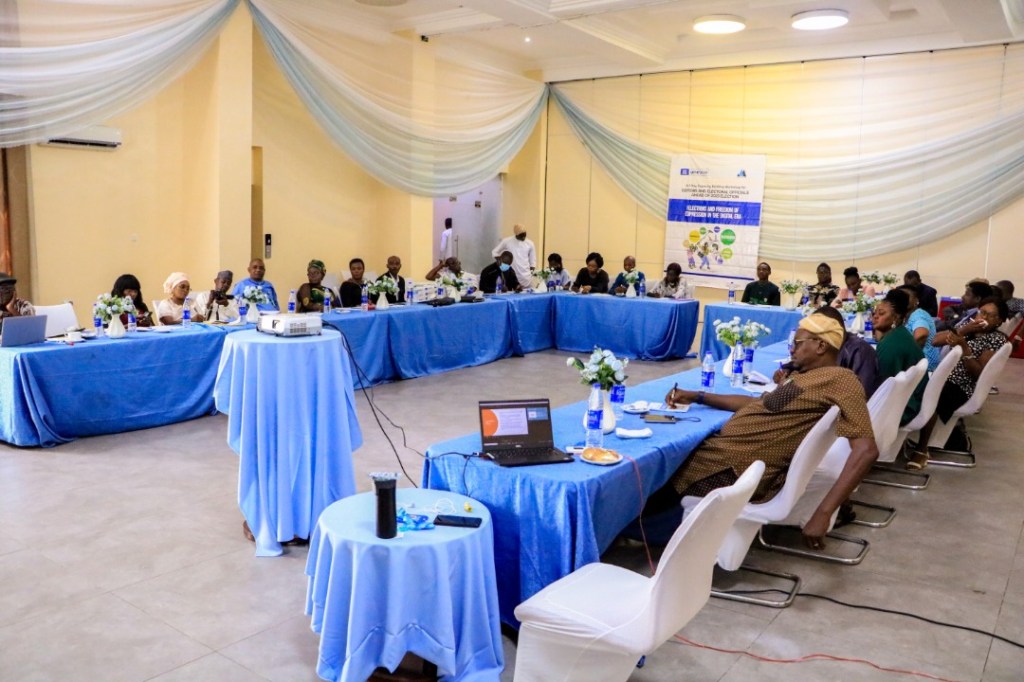
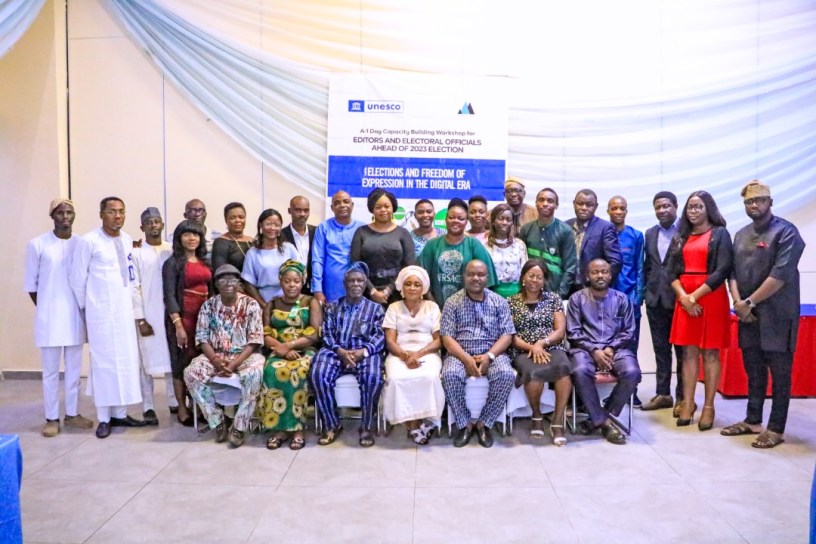
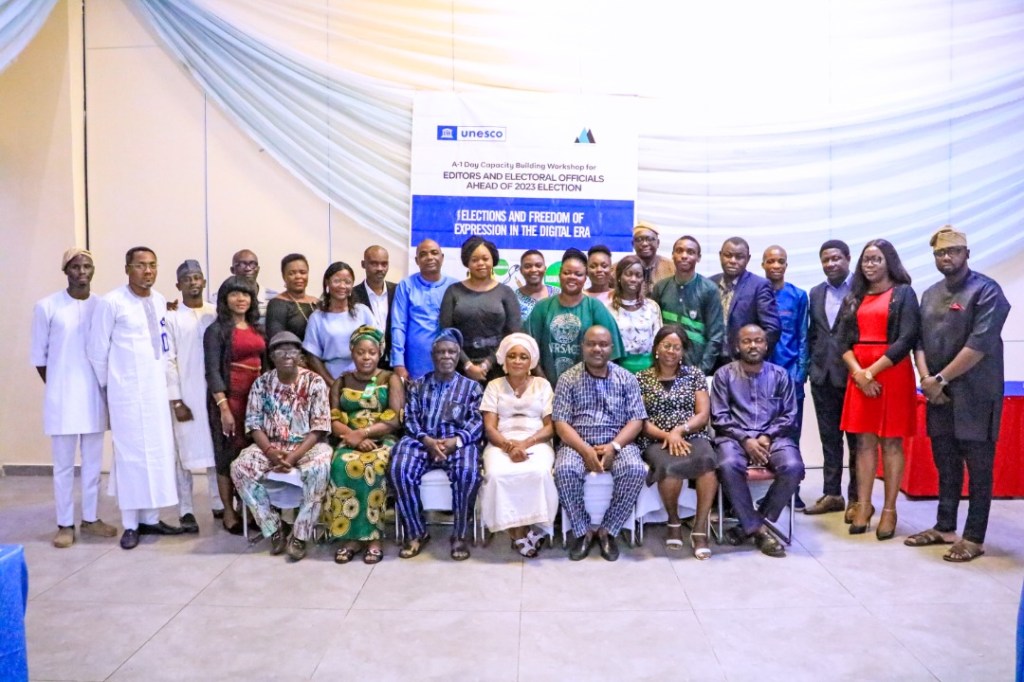
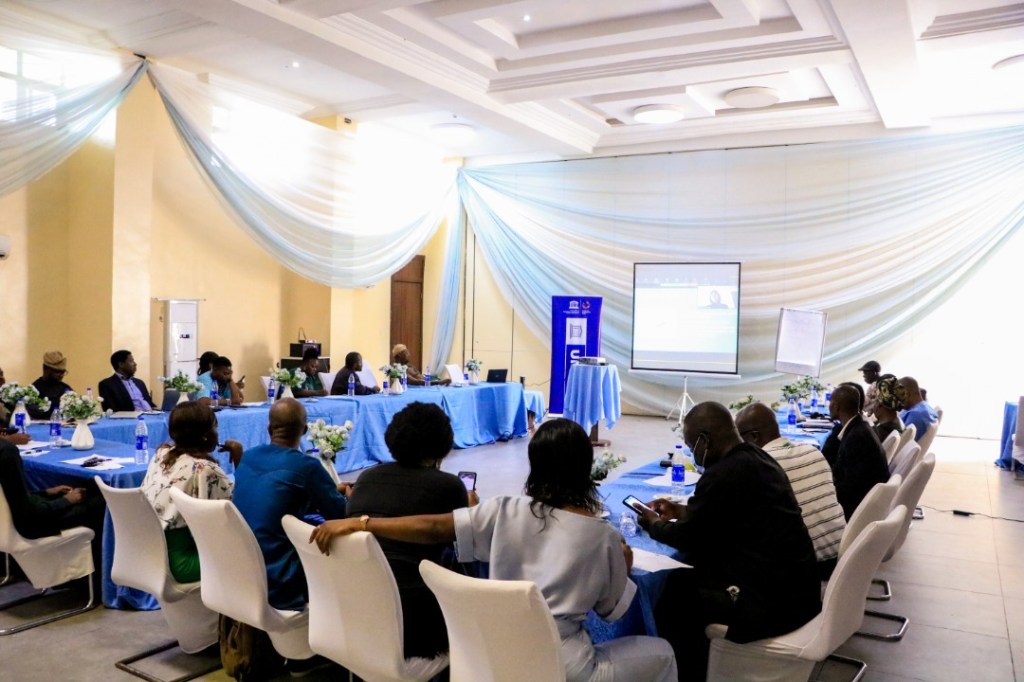
This is according to Representative of the Officer in Charge UNESCO Regional Office Abuja, Mamadou Lamine Sow at a one-day Capacity Building Workshop for Editors and Electoral Officials ahead of the elections in Lagos.
According to him, a true concern of responsible journalism is providing a genuine, fair, and balanced account of events rather than simply republishing press releases.
He enjoined the media to practice Peace Journalism and Peace Communication, saying as ambassadors of peace journalism, they must consciously choose the stories that are published and the importance that is given to such stories to provide citizens the option of responding to tense political situations without resorting to violence.
In his words, the media’s role in reporting election activities has been made more difficult by the changing political landscape as the nature of political campaigns in Africa has dramatically evolved in recent times; politicians are being more dynamic and creative in their messaging, saying Political parties and individuals are actively constructing their public personas today.
According to him, to promote themselves, they are hiring potent PR firms and even launching their media outlets to control the narratives notwithstanding the detriment to the public.
For him, one key player in the changing political landscape in the electoral process is the media, saying the media is a powerful tool of mass mobilisation; the media can be a two-edged sword, capable of motivating for peace or instigating violence.
He noted that the relevance of the media in any polity is generally drawn from the fact that information is necessary for effective governance and administration, and society depends profoundly on the media for vital information, as the public’s reliance on the media gives it a tremendous amount of power, perhaps much more than media practitioners can fathom.
Lamine Sow said as the “Fourth Estate,” acknowledged the press as the fourth branch of democratic government, educating the public and observing politics as an additional check on the executive branch, saying amid society’s slumber, the media acts as a watchdog, actively ensuring that the political process is open and transparent.
He noted that at all levels, transparency is necessary before, during, and after elections, saying Politicians must be held accountable, the legitimacy of individuals must be guaranteed, and the public must be free to engage in debates without fear for their lives, as the public must also have unhindered access to information.
He spoke through Officer in Charge of UNESCO Abuja Regional Office, Communication and Information Sector, Nuhu Yachat at the workshop organised UNESCO, and Agate Multimedia with financial support of Multi-Donor Programme on Freedom of Expression and Safety of Journalists themed; Elections and Freedom of Expression in the Digital Era.
In his remark, the Lagos Resident Electoral Commissioner of Independent National Electoral Commission, Olusegun Agbaje, sought for media collaboration toward checking the spread of fake news, as it prepares for 2023 general election.
Agbaje who solicited for continuous support of the media for 2023 poll, said media practitioners had critical role to play in the fight against fakenews that may have negative impact on the election.
According to him, as the 2023 general election approaches they shall continue to work together to counteract disinformation and misinformation, saying they will remain transparent and provide the required information to combat the triple menace of misinformation, disinformation and fake news.
He called for more collaboration with the media collaboration toward cleanup of the country’s voter register and seamless collection of Permanent Voter Cards.
Agbaje, spoke through Director of Voter Education and Publicity, Adenike Tadeshe.
Speaking on the New Information Paradigm and Elections, a Professor of Mass Communication, Lagos State University, Professor Oso Olayiwola said Journalists and media practitioners need to be extra careful of politicians’ strategy/logic of attack of their opponents to win elections.
According to him, in the process of selling themselves, politicians might attack and tell falsehoods against their opponents, so, it behoves media practitioners to stick to media logic of social responsibility, ethics and values.
Olayiwola who described journalists as vital to the success of elections in any egalitarian society, tasked them to play professional roles expected of them to avert breaches of the peace.
In his words, journalists should fact check, be objective and neutral in their reportage before, during and after next year’s general elections.
He asked journalists to uphold the ethical principles of journalism by saying no to the promotion of falsehood but encourage accuracy, shun partisanship as it exposes journalists to danger.
According to him, Journalists should detach themselves from taking sides in every matter, but should promote reliable journalism and be socially responsible.
Other speakers at the workshop which had editors, and electoral officials in attendance are; Elections and Media Expert Section for Freedom of Expression and Safety Of Journalists Communication and Information, Piterbarg Albertina who spoke on the impact of online harmful practices on elections and responses to tackle them, and Executive Editor at Nation Media Group, Kenya, Pamela Sittoni who spoke on Covering Elections in the Digital Era.

