

The need to build human capacity in the nation’s quest to drive digitalisation for inclusive economic growth has been emphasised.

According to Central Bank of Nigeria Deputy Governor, Adebisi Shonubi, the best way to support digitalisation and improve productivity in the country is to seek ways to engage people, especially youths to be more productive.
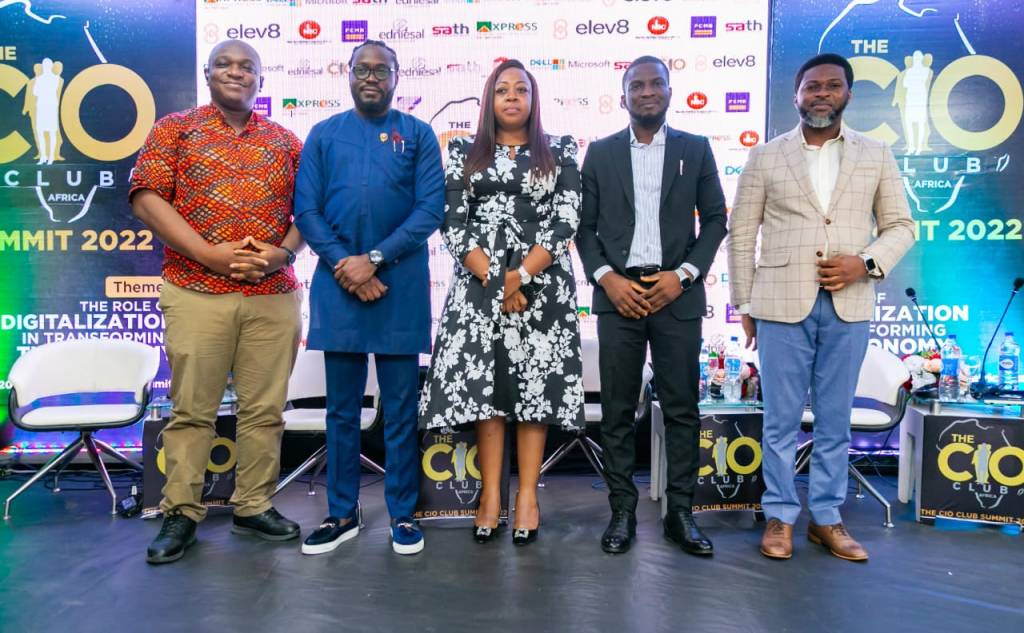
In his words, the CBN had interventions to support Nigeria’s digitalisation journey, one of which was a one hundred million naira grant over the next two years to encourage universities to drive digitalisation.
He stated this, at the CIO Club Africa Inaugural Summit tagged, The Role of Digitalisation in Transforming the Economy.
According to Shonubi, the need to review the nation’s educational curriculum to be built for purpose, saying the curriculum development has to be driven by the private sector because when the students graduate, most of them will be seeking employment opportunities in the private sector.
He said this is why we are having this conversation so that we will have an educational sector fit for purpose rather than an educational sector fit for numbers.
In his remarks, the Chairman, Board of Trustees, CIO Club Africa, Olayinka Oni, said though digitalisation had great potential, there were some inhibitors such as lack of basic infrastructure and skills gap.
According to him, digitalisation would be meaningless if it didn’t deliver any value to the economy as skill is tied to curriculum and for values to be gotten from digitalisation, there is need to look at the nations curriculum because the curriculums are outdated and not future proof.
He said skills and infrastructure are very important to unlock the potential of digitalisation, saying it is important that as we are thinking of digitalisation, we should be thinking about the output in terms of productivity.
In her view, Founder CIO Club Africa, Abiola Olaseinde, said digitalisation would take Nigeria out of the label emerging economy.
She said the COVID-19 pandemic provided an opportunity for the country to think outside the box by embracing digitalisation, adding that the country should be ready for the future.
Olaseinde said the vision of CIO Club Africa was to help connect all the critical stakeholders within the digital transformation ecosystem together to take definitive actions on the digital transformation of Africa.
According to her, the summit is with a view to boost economic development and sustain growth through digitalisation, to advance the cause of digital transformation through strategic alliances with international bodies.
Olaseinde stated that the move was to speedily transform Africa and most especially, Nigeria, for efficient and effective governance, quality leadership and management of resources for economic growth, development and sustenance.
Laseinde said there was the need for Nigeria to be at par with other developed countries on digital transformation.
She said it was an avenue for critical stakeholders in the digital space to brainstorm, support opportunities and help the government close gaps.
According to her, CIO Club Africa was launched in 2020 as a strategic platform for stakeholders in the digital transformation ecosystem in Africa, to exchange innovative ideas and grow.

