United States government says it is committed to supporting initiatives that promote and improve media literacy in Nigeria.
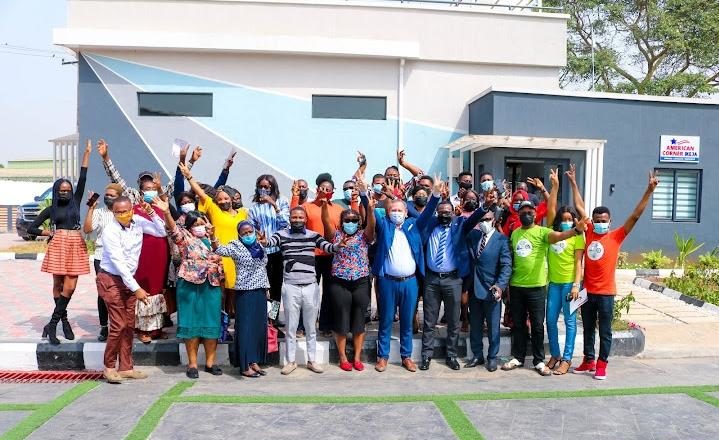
It intends to build the capacity of one hundred and seventy radio journalists and one thousand youth on media literacy through a partnership with the West Africa Broadcast and Media Academy, WABMA, and the Enugu Literacy Society, ELS, supported by the U.S Consulate General in Lagos.
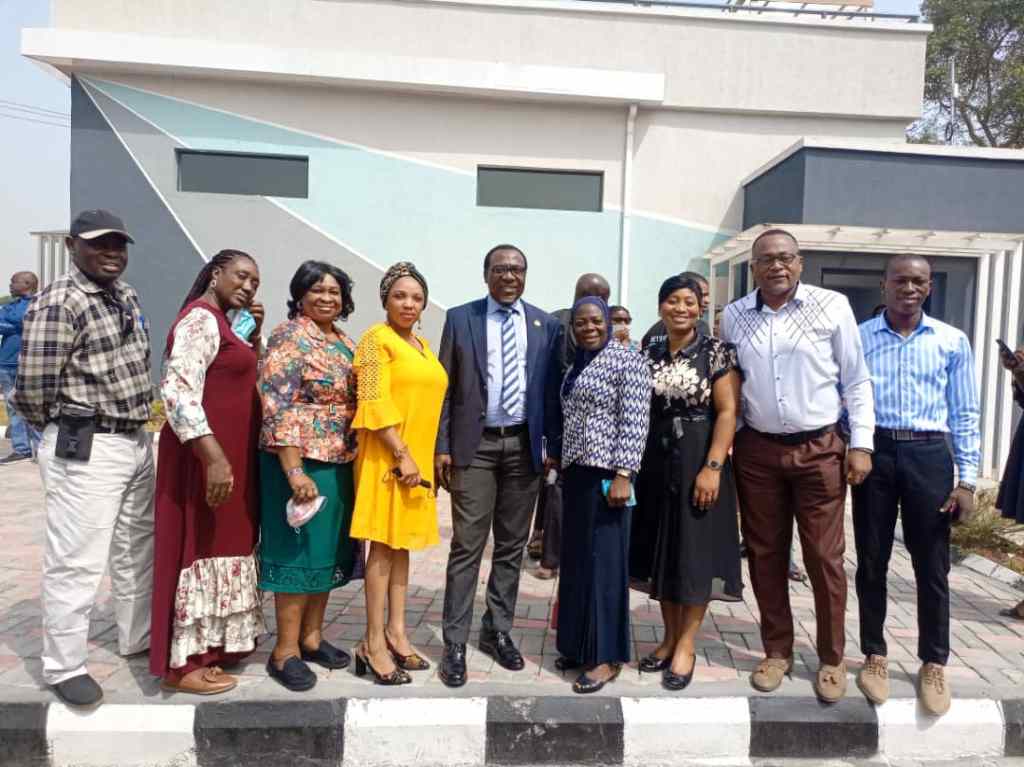
U.S. Consulate Public Affairs Officer, Stephen Ibelli, said this at the opening ceremony of a workshop organised by the mission, the West Africa Broadcast Media Academy(WABMA) and Enugu Literacy Society(ELS).
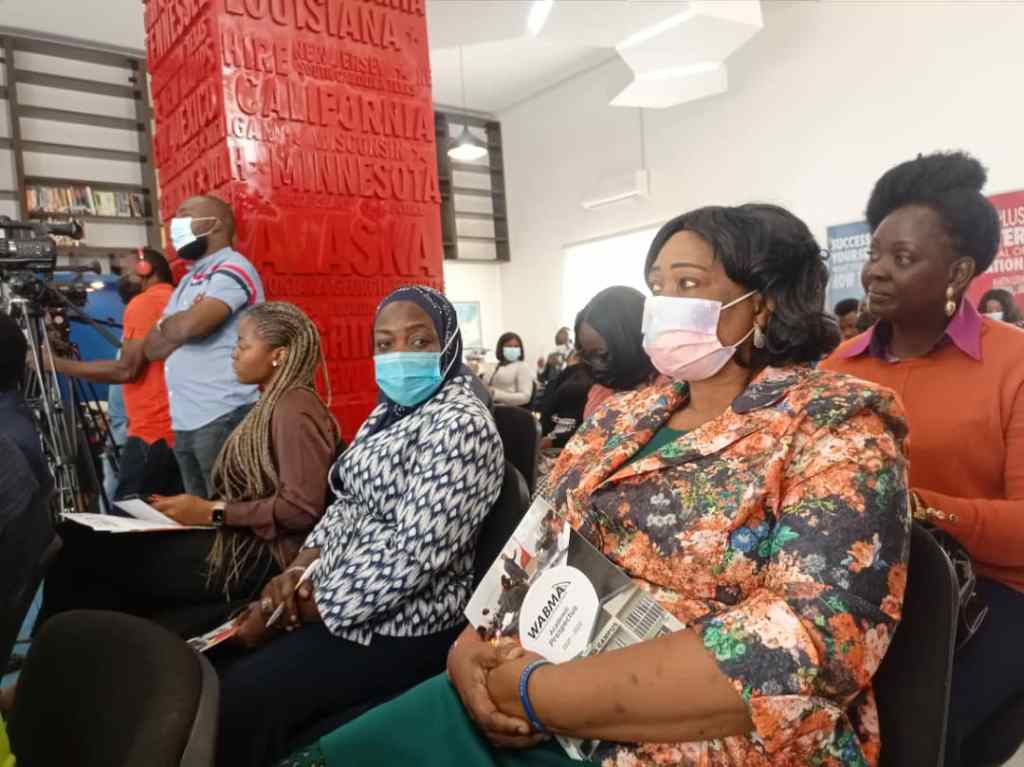
The two-day workshop, themed “Media Literacy and Countering Misinformation”, seeks to build the capacity of radio producers, reporters and presenters in media fact-checking.
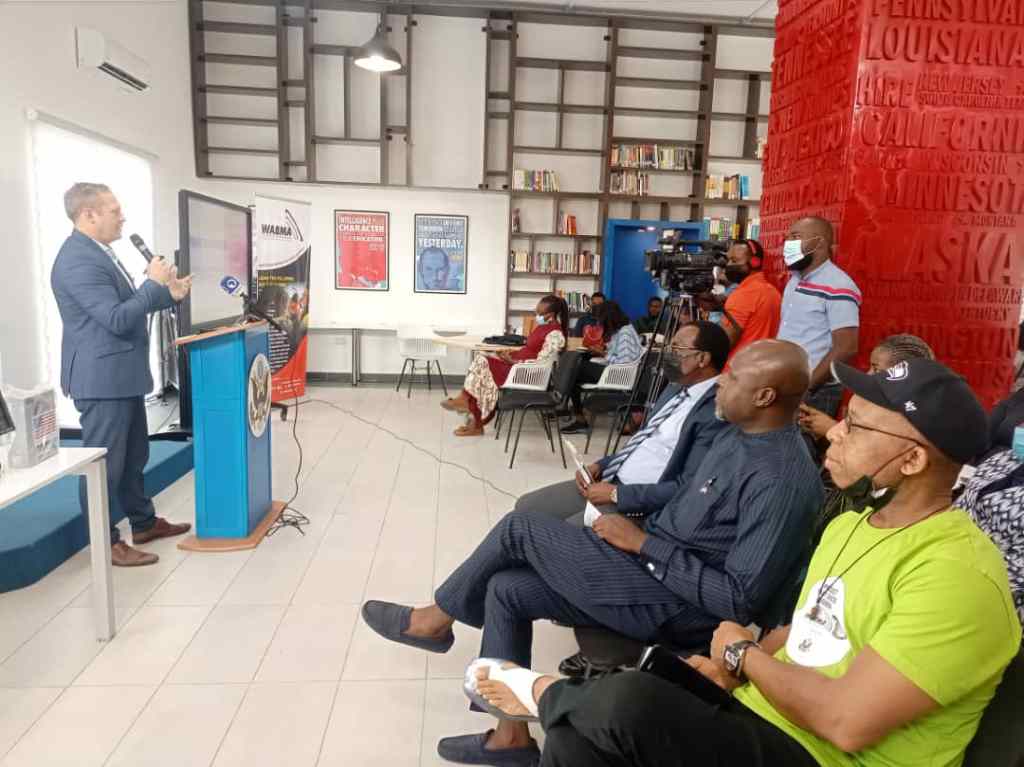
Ibelli, said the training was expected to deepen the practice of credible journalism and fact-checking among practitioners, envisaging that the training will benefit journalists in curtailing the spread of fake news.
He urged participants to go the extra mile while practising their professions, as reporters are meant to distinguish rumours from the truth.
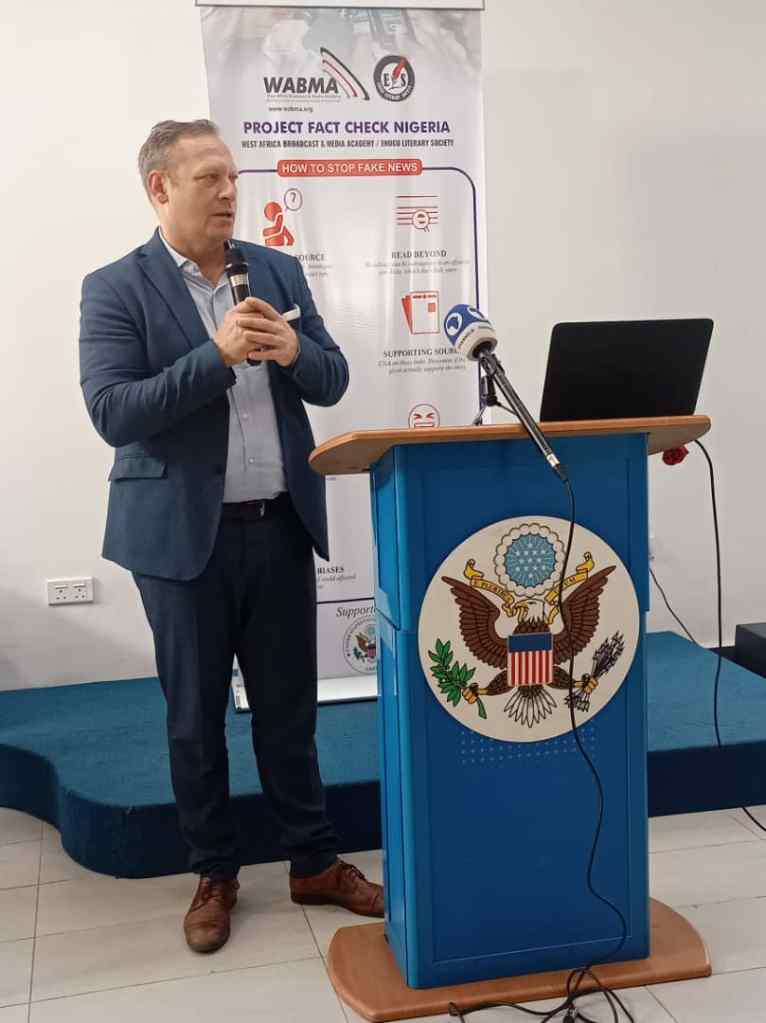
According to him, the project seeks to strengthen critical thinking skills, expand digital and media literacy, and build the capacity of radio journalists to counter misinformation and disinformation across the seventeen states of southern Nigeria.
In his words, by promoting media literacy, government strengthen the principles of transparency, good governance, and rule of law that serve as the essential cornerstones of our democratic system.
He explained that a healthy democracy requires both an informed public and accountable media that provides truthful and objective information.
A secondary component of ‘Project Fact Check Nigeria’ is to teach 1,000 leaders the basics of digital fact-checking and how to separate fact from fiction and opinion using the existing media literacy curriculum of the Young African Leaders Initiative.
The participants will be empowered to educate people within their social networks and communities to promote media literacy which helps individuals identify misinformation.
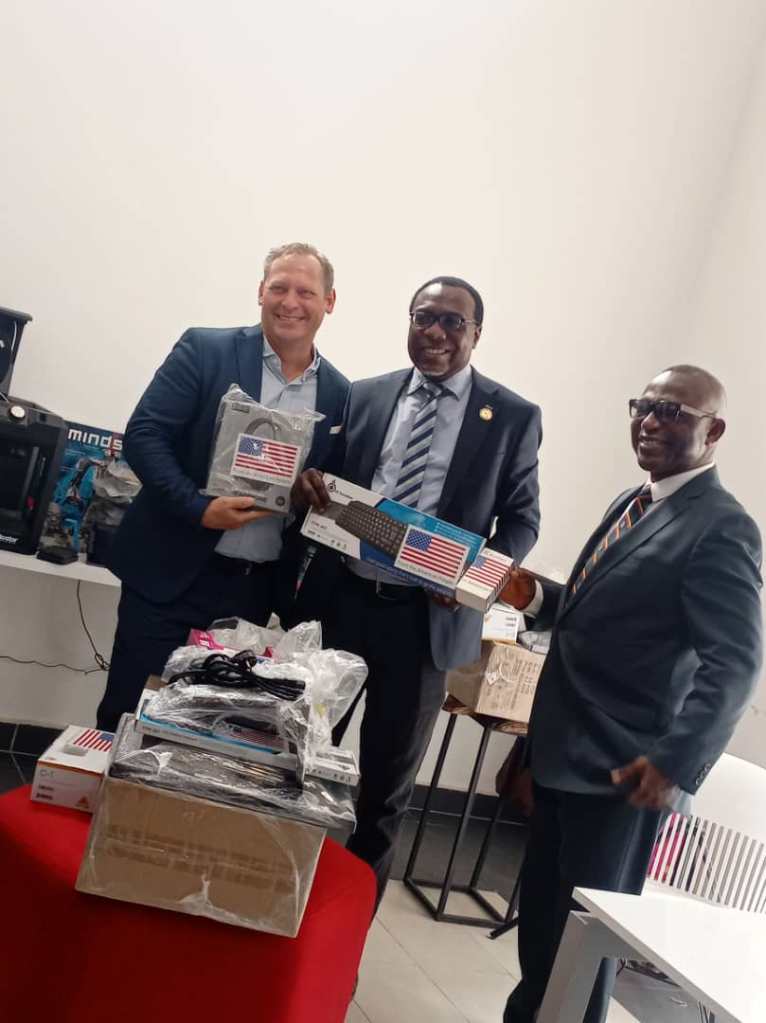
During the launch, radio stations received broadcast equipment including computers, digital voice recorders, headsets, and microphones to support the production and airing of media literacy radio programmes from the U.S. Consulate, WABMA, and ELS.
“In the months to come, we ask that you promote media literacy skills and educate your audience and the people in your different social networks and communities to be vigilant against the threat of false information,” Mr Ibelli said while presenting the equipment.
The participants are expected to create and air radio programmes that promote media literacy for 12 months.
The radio shows and the content will highlight the importance of personal accountability in the dissemination of information and also teach basic media literacy skills.
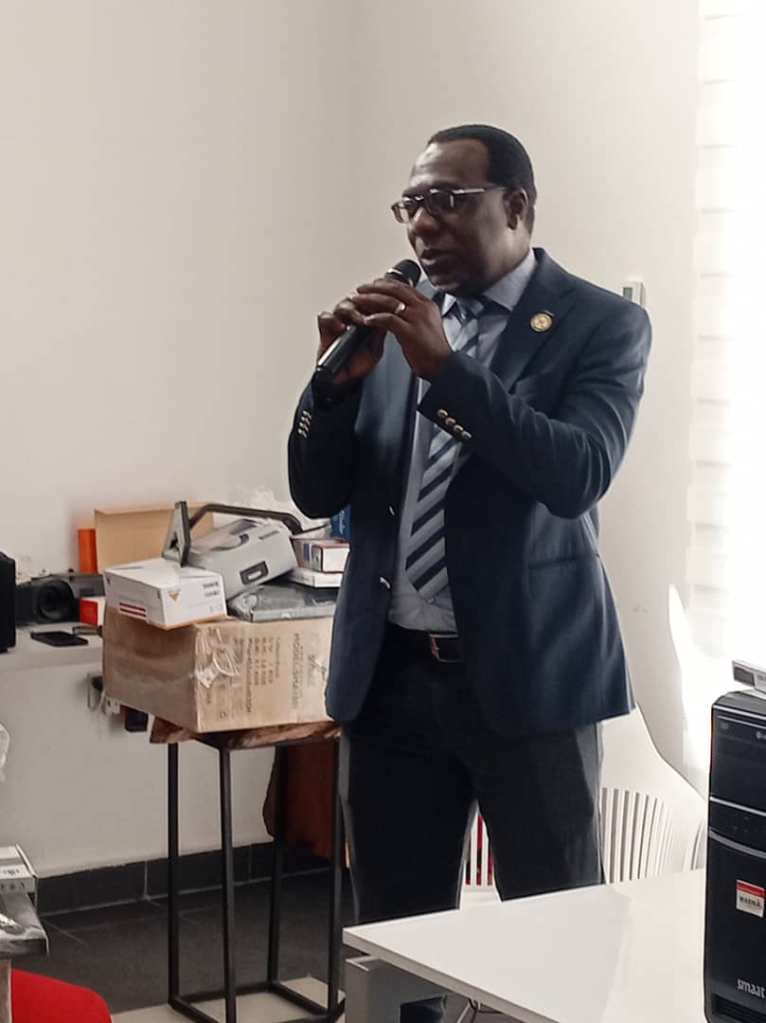
Executive Director, WABMA, Jika Attoh, said the training centred around Fact-Checking, Investigative Journalism, Data Journalism, and is powered by the United States Consulate General, Lagos.
Attoh noted that the training was designed to equip and expose journalists to skills that would help in delivering balanced and unbiased reportage, adding that a properly fact-checked report or story would enable the citizens to make the right decisions on issues and policies.
He charged media practitioners to act professionally in the dissemination of verifiable information.
According to Attoh, when fake news is disseminated by media professionals, “it could have annoying consequences.”
Attoh said journalists had the responsibility to give their audience accurate information.
He said it was important to find out the source of information being shared, adding that there were several dimensions to misinformation.
“Do not ever share information you are not sure of because people learn and pick up so much from us as journalists.”
Attoh urged journalists to act professionally, adding that they had the ethical and religious obligation not to share false news.
“The embarrassment of having to withdraw a false report or to apologise for spreading false report cannot be overstated.
“Young persons especially need to be trained regularly because they’re the ones who mostly spread fake news on social media,” he said.
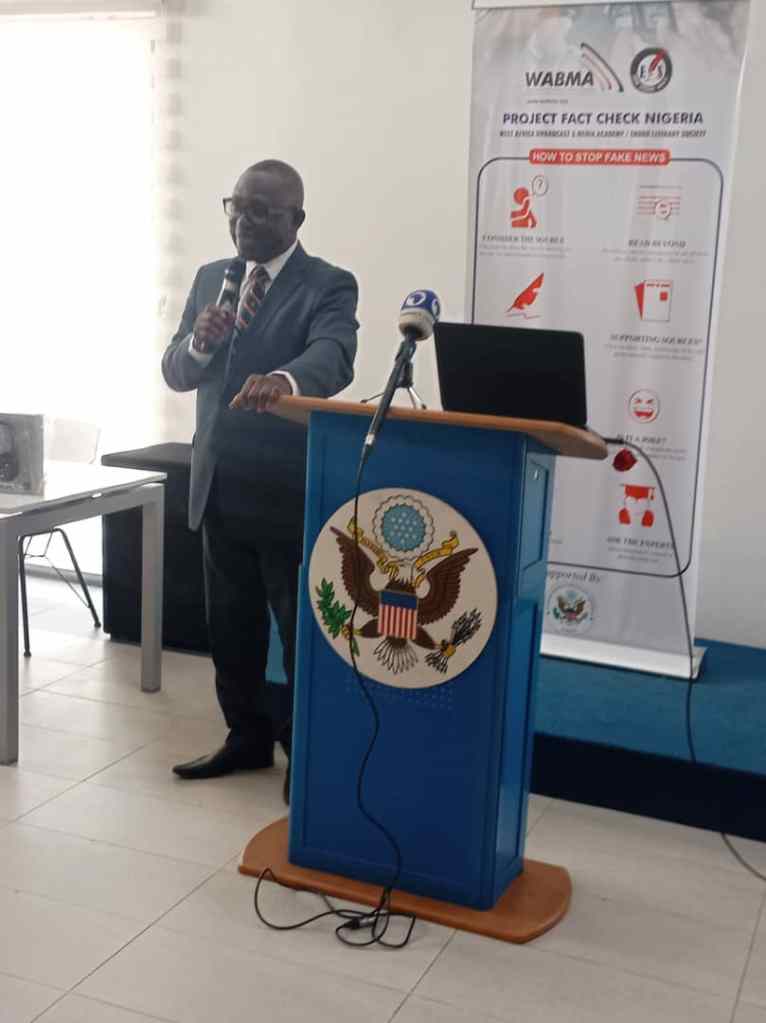
Also, Founder, ELS and Coordinator of the workshop, Ken Okere, said radio remained the number one most accessible platform to people across Nigeria.
According to him, over 70 per cent of Nigerians are highly dependent on information disseminated on radio for an obvious reason of “lack of electricity”.
“We’re hoping that through our partnership with radio stations, they will be vanguards of the campaign against fake news.
“The media landscape in Nigeria has exploded in the last 20 years and we need sufficient training for the burgeoning industry.
Okere said fear was a dominant factor in misinformation.
“If people cannot read, they can not comprehend well and are more liable to be superstitious and fearful.
“Superstition and fear coupled with ignorance is what drives fakes news acceptance and consumption,” he said.
Responding, the General Manager, Radio Lagos/Eko FM, Jide Lawal commended the Consulate for its continuous enthusiasm on capacity development of media organisations.
According to him, the partnership with the Consulate would enhance the performance of staff and stimulate access to training opportunities in the United States.
He sought more cooperation and support from the Consulate, pledging that Radio Lagos/Eko FM would make good use of the media equipment donated to the organisation.
The U.S. Consulate, WABMA and ELS donated equipment, including computers, digital voice recorders, headsets and microphones, to participating radio stations to support the production of media literacy content, ensure fact-checking and counter misinformation in News and Programmes’ productions.
Meanwhile, the staffers of Radio Lagos/Eko FM who are beneficiaries of the ongoing training include; Olusola Adekola, Abiola Williams, Babajide Alli-Balogun, Adebisi Adewusi, and Adeola Orisile.

