
Today is International Day of Persons with Disabilities, set aside by the United Nations to promote a better understanding of disability issues with a focus on the rights of persons with disabilities.

The theme for this year is “Leadership and participation of persons with disabilities toward an inclusive, accessible and sustainable post-Covid-19 world.”
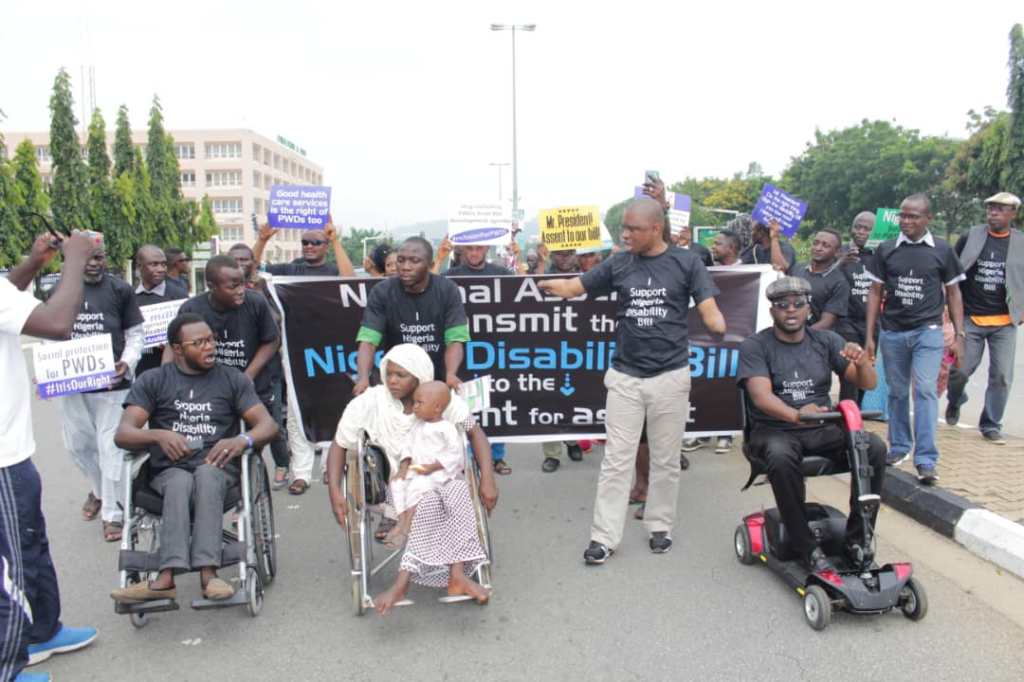
According to Centre for Citizens with Disabilities, the theme focuses on the empowerment of persons with disabilities for inclusive, and sustainable development as envisaged in the twenty-thirty Agenda for Sustainable Development.
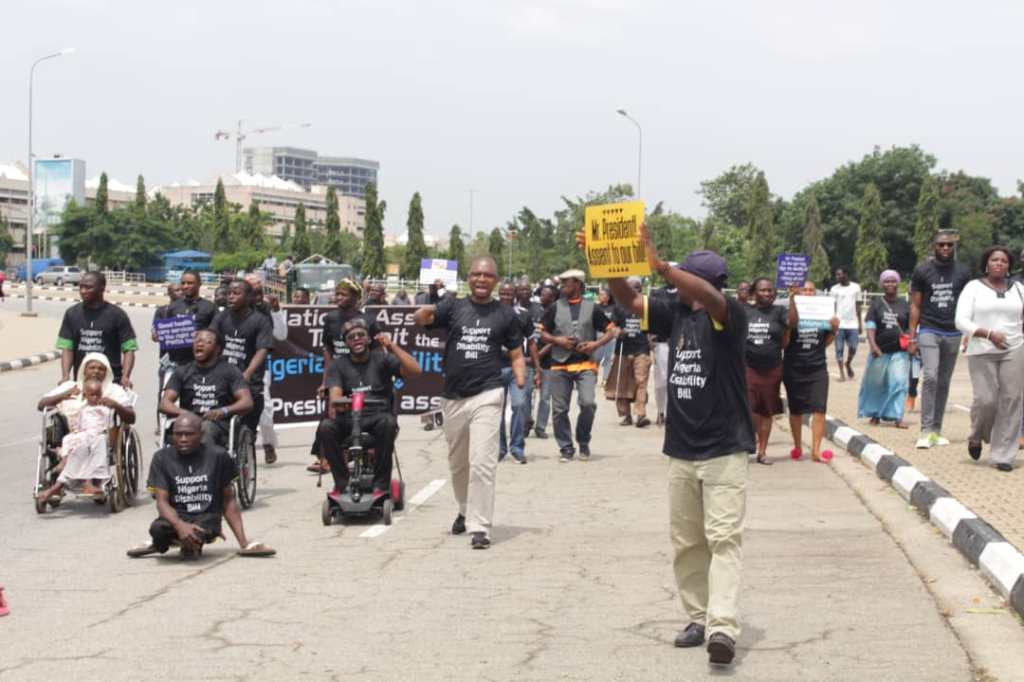
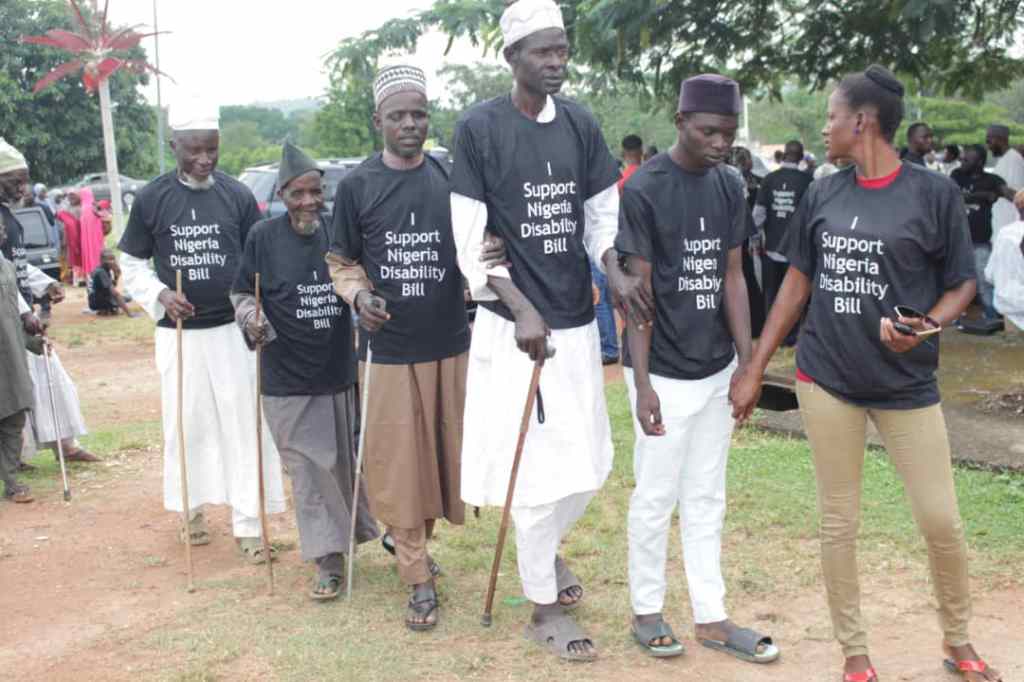
Its Executive Director, David Anyaele says this year’s marks the group’s celebration of the passage and assent of the disability rights Act designed to protect more than thirty-one million citizens with disabilities.
He says the day is celebrated at a time Nigerians are waiting the assent of the President on a Bill for an Act To Repeal The Electoral Act And Enact The Electoral Act twenty-twenty-one, to Regulate The Conduct Of Federal, State And Area Councils In The Federal Capital Territory Elections; And For Related Matters.
In his words, the group calls on President Muhammadu Buhari to sign into an Act the Electoral Bill without further delay to open space for necessary actions towards twenty-twenty-three General Elections.
Anyaele says the centre is worried that thirty-four months after the passage of the Disability Rights Act, only thirteen States have demonstrated measures to adopt the Act, commending States like Lagos, Anambra, Ekiti, Ondo, Plateau, Bauchi, Kano, Kaduna, Jigawa, Kogi, Niger, Kwara, and Niger States for the passage of disability law in their States.
While it called on the States government yet to adopt the National Disability Rights Act to do so without further delay, as its important because failure in the regard is an indirect endorsement of discrimination and other harmful practices against their citizens with disabilities.
According to him, it is important for State governments to make inclusion and participation of citizens with disabilities in governance and development programmes a priority, as it is very expensive and difficult to live with disability without government support.
Anyaele commended the National Assembly in particular the Federal House of Representatives for the establishment of an ad-hoc Committee on Disability Affair with Hon. Miriam Onuoha as its Chairperson, calling on the Senate and States House of Assemblies to borrow a leaf by establishing similar ad-hoc Disability Committees to ensure issues of persons with disabilities are given priority at State and Federal level.
He says the centre is concerned that thirty-four months after the passage of the Discrimination against Persons with Disabilities (Prohibition) Act 2018, citizens with disabilities are still left behind due to non-implementation of the Act by Ministries, Departments and Agencies, this is evidenced by the non-provision of necessary measures to enhance access to buildings of the MDAs, and inclusion of citizens with disabilities in their programmes and activities.
We are worried that more than 18 months after President Muhammadu Buhari gave directives to MDAs to pay special attention to the peculiarities of persons with disabilities in the formulation and implementation of their policies and programmes, and where suitable their employment, MDAs are not responsive to the directives.
The President went further to direct that all relevant Government agencies pay special attention to the peculiarities of persons with disabilities in the formulation and implementation of their policies and programmes, and where suitable their employment.
The group call on heads of Ministries, Departments and Agencies to operationalise the directives by the President to ensure the full implementation of the Disability Rights Act
, We are worried that many States across the Federation are struggling to make reasonable budgets for the integration and rehabilitation of citizens with disabilities, even when they are budgeted, persons with disabilities hardly benefit from such provision.
However, we commend States like Lagos State, Plateau, Ondo and Anambra States that have taken measures to not only pass disability bills but have taken steps to create offices for disability affairs in their various States.
Acknowledging that Nigeria has signed the United Convention on the Rights of Persons with Disabilities including it optional protocols, we state that SDGs will not be achieved if state and nonstate actors continue to discriminate, isolate, and marginalize over 31 million Nigerians with disabilities in planning and implementation of the SDGs in Nigeria.
We wish to appreciate the media and specifically your organization for their continued support to the efforts of the disability community towards increasing the voice of the voiceless (Nigerians with disabilities) in our society through inclusive reportage.
We urge organisations of, and for persons with disabilities not to relent in their efforts of promoting and creating awareness on the disability issues at Local, State and Federal level to enhance public understanding, as nothing about us with us.
The Centre for Citizens with Disabilities (CCD) is a not-for-profit making organization of, and for persons with disabilities that works to promote independent living, human rights and social inclusion of persons with disabilities in development efforts.
It also works to educate, support and empower persons with disabilities and their families to maximize their potentials. It was established in 2002 in Lagos and incorporated with the Corporate Affairs Commission Abuja as a charitable organization.
CCD successfully led CSOs campaign for the passage of the National Disability Act.
CCDs’ objectives include to initiate and implement programmes, policies and activities geared toward the promotion and enhancement of the welfare of persons with disabilities; To empower or assist in empowering persons with disabilities and regularly access the impact of public policy on human rights and report on same through publications seminars, workshops and lectures; To educate, sensitise, counsel and mobilize persons with disabilities in various areas critical to their survival and progress and support and advocate for respect for the rule of law and due process.
CCD is recognised by Federal and State Ministries, Department and Agencies as a credible NGO working on disability matters.
We have over the past eight years sought a redefinition of society’s perception of the plight of persons with disabilities. For more details about CCD, please visit: http://www.ccdnigeria.org.

