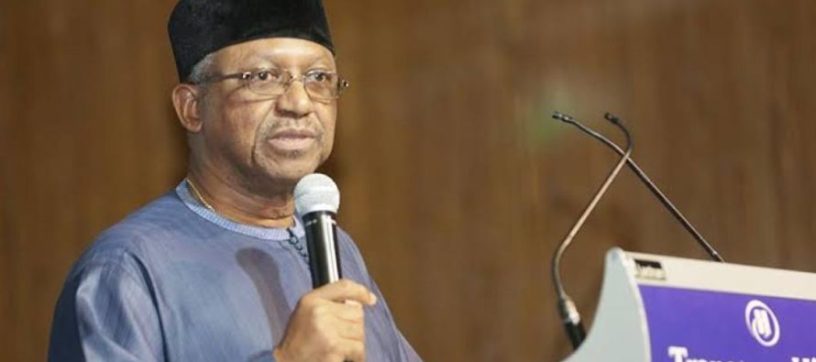
Minister of Health, Osagie Ehanire, on Tuesday, said strategies are already in place to ensure the country stays polio-free.
Nigeria, along with the rest of Africa, was declared polio-free by the World Health Organisation on Tuesday, marking the eradication of a second virus from the continent, since smallpox 40 years ago.
“The chances of a resurgence are chances that we can control if we build up our routine immunisation, which we intend to do,” Ehanire said.
“We are now at about 70 per cent. We know that the remaining 30 per cent is more difficult. So we are developing strategies to expand the coverage up to 90 per cent.
“The difficult areas will be hard-to-reach areas and areas that you will likely not find transport. So we have acquired motorcycles that will be able to carry vaccinators all the way to what we call the ‘last mile’.”
The health minister added that the primary healthcare structure is being expanded to provide services such as routine immunisation.
“And if we have a platform of functional primary healthcare centres, routine immunisation, well established and the surveillance principle is set up – we are carrying out very strict acute flaccid paralysis surveillance – then we should have control of the polio eradication and be able to maintain it.”
Poliovirus is typically spread in the faeces of an infected person and is picked up through contaminated water or food.
Vaccinating people to prevent them from becoming infected thus breaks the cycle of transmission and eventually eradicates the virus in the wild.
The last case of polio in Africa was detected in 2016 in Nigeria, where vaccination had been violently opposed by jihadists who claimed it was a plot to sterilise Muslims.
More than 20 workers involved in the campaign lost their lives.

