
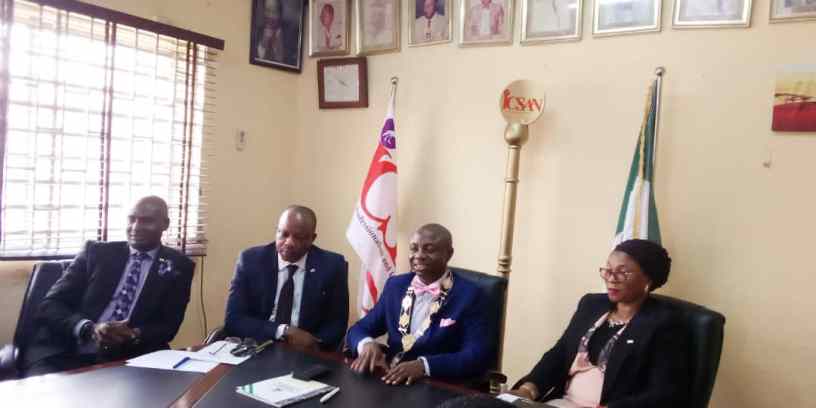
The public sector should imbibe the same corporate governance code as the private sector, to help in achieving the desired economic development of the nation.
President, Institute of Chartered Secretaries and Administrators of Nigeria, Bode Ayeku, said this at the Institute’s Presidential Media Parley, saying there was a need for both sectors to be regulated by the same practices and rules aligned with best global practices to engender growth.
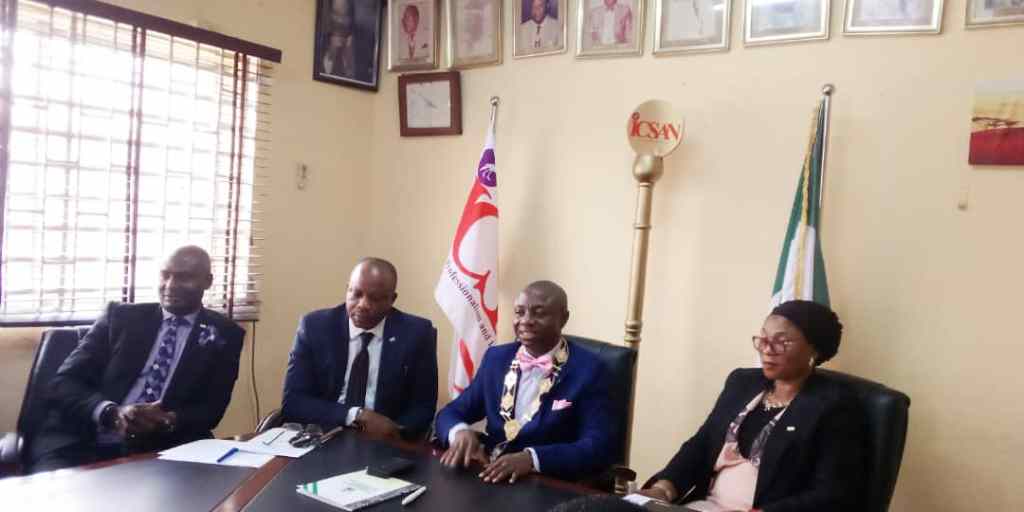
According to Ayeku, in every economy, there was the private and public sectors and it was only when both sectors were doing the right thing that the desired economic development could be achieved.
Ayeku revealed plans to change the name of the Institute, subject to the approval of the government, to accommodate and reflect the evolved professional role of secretaries and administrators.
He said the change was to clear the air of any ambiguity as to who secretaries and administrators were, saying secretaries were not typists or tea makers, and because the name had been used in different ways, confusion exists.
According to him, secretaries were guardians of organisations and the name change would enable stakeholders to know the added responsibility and expectations of a company secretary.
Speaking on fairness, transparency, accountability and disclosure, Ayeku lauded the finance transparency bill, saying a template for reporting all corporate governance evaluation was in the pipeline,
On education, Ayeku said the institute had started partnering with various tertiary institutions to imbibe principles of corporate governance early in the minds of the youth.
To address internal crisis as observed among leaders of tertiary institutions, he said the National University Commission should create a template guiding all universities, subject to review and publishing, to address the challenges.
According to him, what was required of the educational sector was to have a more robust, best practices template that should be imbibed by all universities to tackle and handle the internal and external crisis.
Ayeku said there were no crises in banks for example because regulators of that sector had created a code to guide the affairs of the sector which was reviewed from time to time to ensure it was in tune with current realities.
He also, said after reviews, finding should be published, and if published, all institutions would be afraid of scandal and public perception of their activities, which if negative, would affect patronage.
Ayeku also spoke on the challenges of insecurity, emphasising urgency at ending the menace by employing more personnel, advanced technology and engaging foreign assistance, if necessary, saying if there was need to recruit more personnel, technology, foreign assistance, the government should do so as soon as possible.
On the state of the nation, Ayeku urged leaders to consider themselves trustees and managers of national resources, conscious of their timeframe of service, to leave great legacies for future benefits.
Also, he said followers must see leaders as agents to achieve the goals of the country who must be asked questions when deviating, saying the leaders could make genuine mistakes, but when they were conscious of the fact that questions would be asked, they have no choice but to sit up and do right by the citizens.
Ayeku advocated proper succession planning and review to address possible gaps during a change of leadership both in public and private organisations.
He restated that violation of professional ethics standards by members would attract sanction according to the provisions of the enabling act of the Institute, reiterating the institute’s commitment to continue advocacy programmes to drive inclusive economic growth and development.
The President said the edge the institute had was that corporate governance cuts across all aspects of an organisation, so, they were able to impact the nation across the board.
 securityandsafetymatters