Natural disasters are becoming more frequent, growing more severe and affecting more people than ever before, due to climate change, floodings, accidents, building collapse, fire disaster, population growth and shifting habitation patterns.
To this end, developing the tools, processes and best practices to manage natural disasters was becoming an increasingly urgent global priority, as effective disaster management can be defined as providing the technology, tools and practices that enable disaster response organisations to systematically manage information and collaborate effectively to assist survivors, mitigate damage and help communities rebuild.
According to Lagos State Emergency Management Agency, LASEMA, plans were much more effective when developed collectively by all agencies that would be responding to disaster management that resources and responsibilities were coordinated in advance.
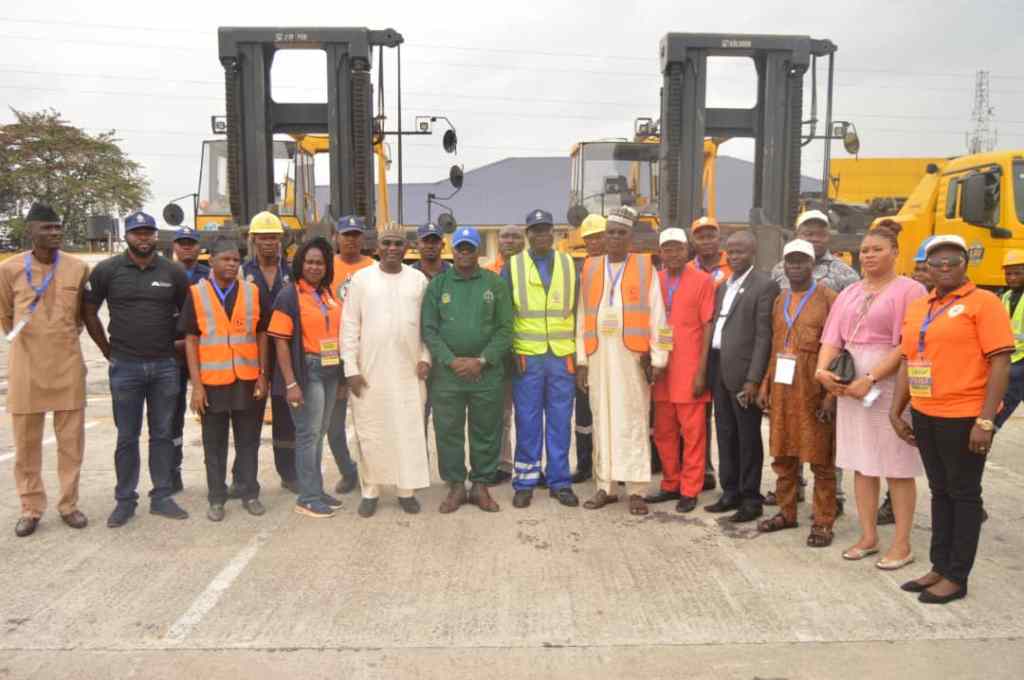
Its Director-General and Chief Executive Officer, Dr. Femi Oke-Osanyintolu, said disaster plans were often developed by individual agencies, but one challenge of disasters was that they demand action from agencies and organisations that may not work closely together from day to day.
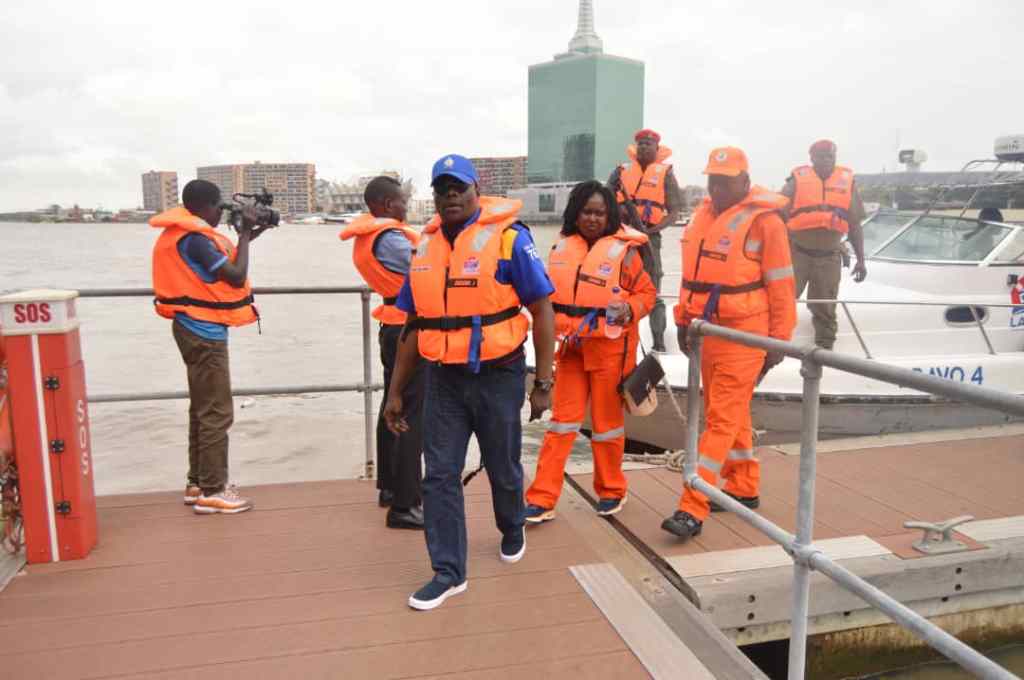
Oke-Osanyintolu, said disaster preparedness involved activities undertaken in the short term before disaster strikes that enhance the readiness of organisations and communities to respond effectively.
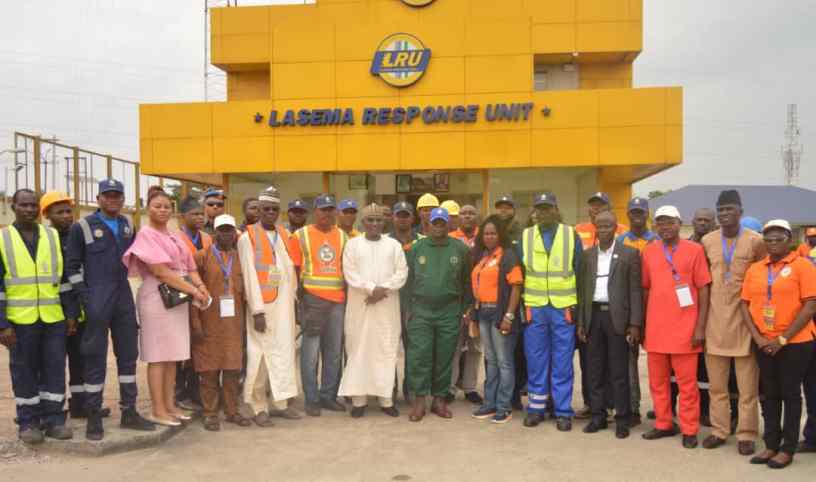
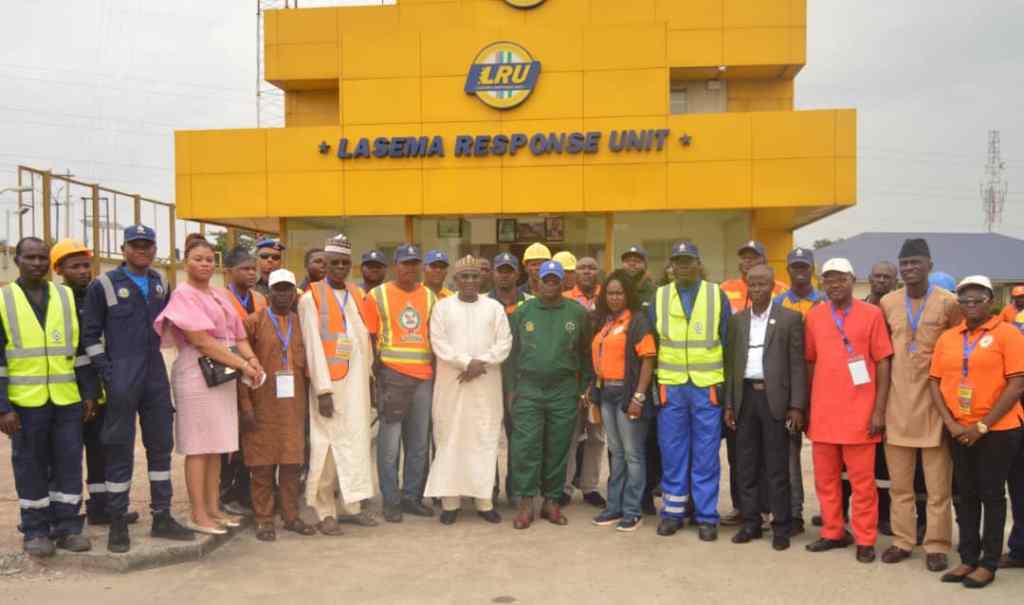
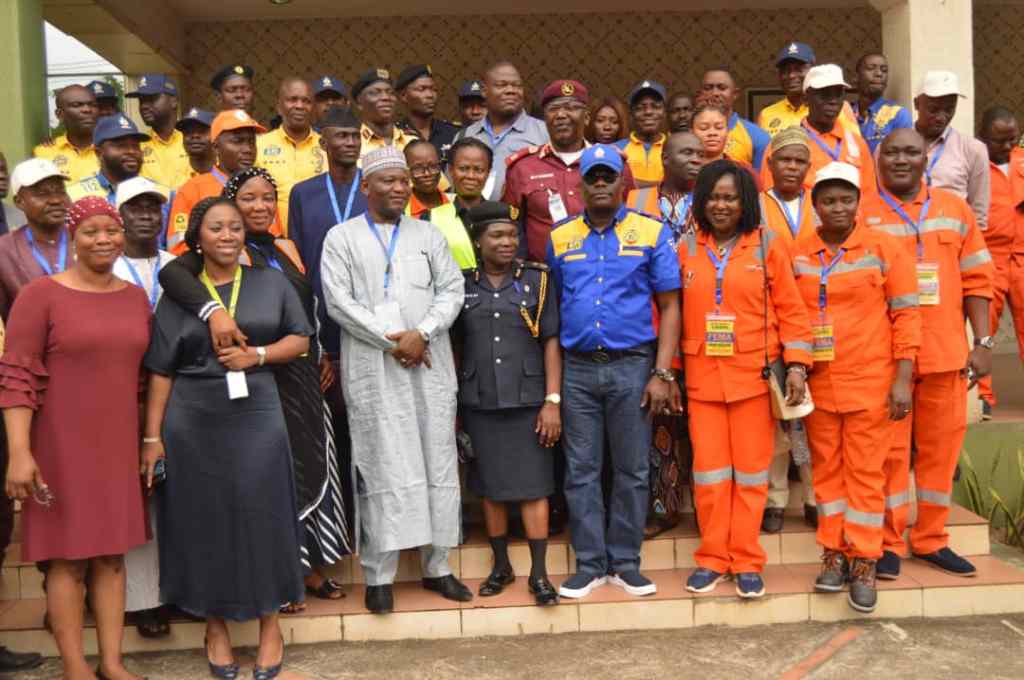
Speaking on the visit, FEMA Director-General, Abass Idris promised to synergise with LASEMA, to boost a robust disaster Management in the country, saying the collaboration would afford the two Agencies to share common knowledge, expertise and prepared ahead of disaster.
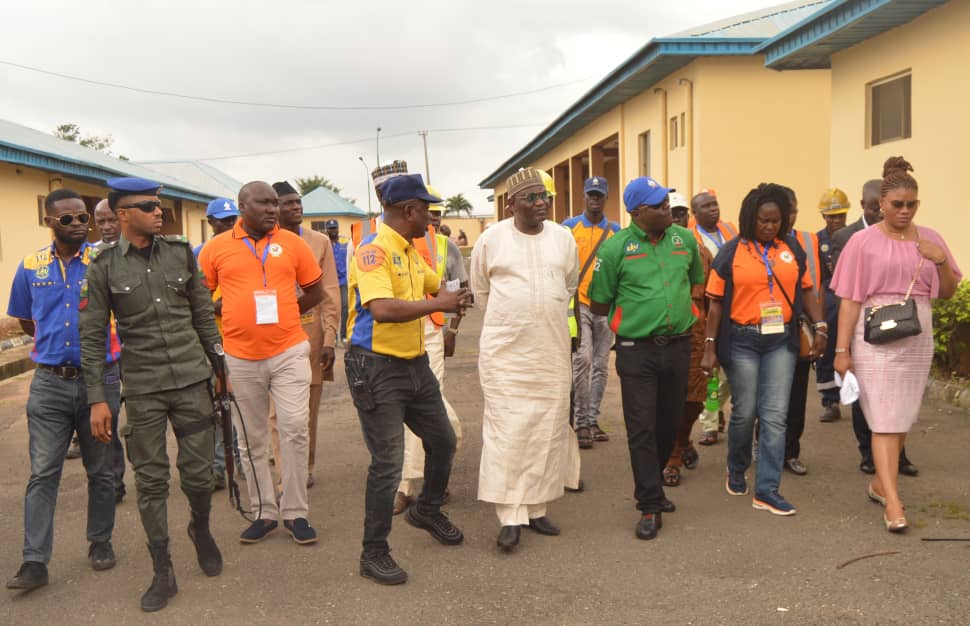
Idris said LASEMA had all it took to save lives and property during an Emergency with the state of art equipment stationed at every Emergency points in Lagos, saying the challenge to the effectiveness of disaster management and recovery was sharing information across organisations hampered by a lack of interoperability.
He said in a disaster management situation, information was widely distributed and owned by different organisations, critical data was maintained in disparate systems that often do not interoperate well, and there were no common standards to enable organisations to efficiently organise and share their resources during response operations.
The Technical Partner to LASEMA, Tolagbe Martins, said over one hundred and twenty thousand distress calls were received on a daily basis to aid the rescue mission, appealed to the public to desist from making hoax calls to the emergency free toll lines 767 or 112.
The two-day study tour which began from the LASEMA Command Control Base, LASEMA Response Units, LASEMA Operational Base, and Formations and Facilities at Onipanu, Lekki, Cappa-Oshodi, as well as the Lagos
State Waterways Authority, LASWA Terminal on a boat cruise.

