
Lagos State Government is in the process of reviewing some sections of the State’s Child Rights Law to make some sections contained in the law to meet with present day realities.
According to Ministry of Justice, some punishments as stipulated in the law had not served its intended purpose of deterring abusers of children from desisting from such acts.
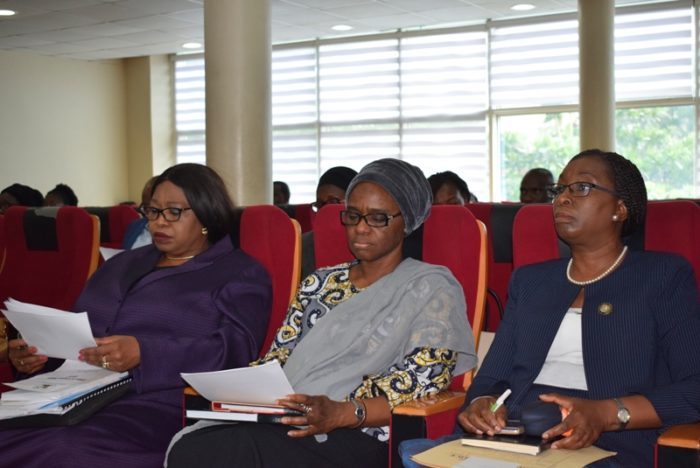
Its Permanent Secretary and Solicitor-General, Funlola Odunlami said this at a one-day stakeholder’s meeting on “Amendment and implementation of the Child rights Law, twenty-fifteen″ held at Folarin Coker, Clinic Hall, Alausa Secretariat, Ikeja.
Odunlami said the overall intention of the review was to place emphasis on empowering children and protecting their rights from being infringed upon.
According to her, the review would take into cognisance necessary framework that would be helpful in the entire review process, assuring that the outcome of the review would be more beneficial to all concerned stakeholders on children matters.
She listed the sections of the law being considered for review to include Section 3, 7, 13, 17, 19, 20-23 among others, which ranged from parental neglect, sentencing terms, forms of punishment for offenders, inclusion of persons responsible for facilitating under-age or forceful marriage of an underage girl in the punishment of the Child Rights Law and several others.
Odunlami expressed the hope that the outcome of the meeting would produce a more robust recommendation that would take care of the interest of all the concerned parties considering the caliber of personalities at the event who are practitioners from government, private and non-governmental organisations.
The overview of the areas identified for review was chaired by Justice Iyabo Kasali, a Judge with the Lagos State Judiciary.
She advised the stakeholders that the review being carried out should correspond with the new Lagos Sentencing Guidelines.
Participants at the event among other suggestions opined for community service for minor offenders of the Child Rights Law instead of prison terms especially if the offender is the parent of the child so that the absence of the child’s parent will not further expose the child to more abuses.

