
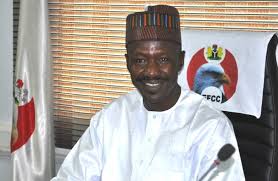
Anti-graft agency, the Economic and Financial Crimes Commission,EFCC, has recorded one hundred and thirteen convictions nationwide between January and June.
Its Acting Chairman, Ibrahim Magu told stakeholders at an interactive meeting that the convictions were made possible by their contributions and support.
Magu vowed not to spare the corrupt despite the prevailing obstacles in the anti-graft war, saying the commission would not fail to bring to book those who had corruptly stolen the commonwealth and thereafter organise to destabilise the anti-corruption initiatives.
He reiterated his position that corruption was at the root of recent separatist agitations in parts of the country, and urged all patriotic Nigerians to join forces against those tendencies.
Civil society leaders, who spoke at the forum, called on the commission to step up its awareness creation activities on the prevention of corruption.
They urged the EFCC to create communication strategies that would motivate the masses to join the anti-corruption crusade.
President of the Committee for the Defence of Human Rights, Malachy Ugwumadu, described the anti-corruption fight as a class struggle and war that must be won by the people.
Ugwumadu, a Lawyer said this was a class struggle between the political elite and those fighting to rescue the soul of the society, saying the battle may be lost if they don’t reorganise and focus on the people who seem confused due to manipulation by the corrupt few.
A Lagos Lawyer and Human Rights Activist, Jiti Ogunye acknowledged the challenges confronting the anti-corruption agencies, especially the dangerous environment in which their personnel operate.
He sued for encouragement and public support for all anti-corruption agencies to reduce the pressure on EFCC.
President, Women Arise, Joe Odumakin called for committment and synergy among civil society groups.
Odumakin said this was not a day to agonise but to organise and put strategies in focus, saying enough of the diversionary tactics employed by those who hate the commission.
She said they must put their house in order, and create more awareness in the communities on the dangers of corruption and how they could mobilise the common people for support.

