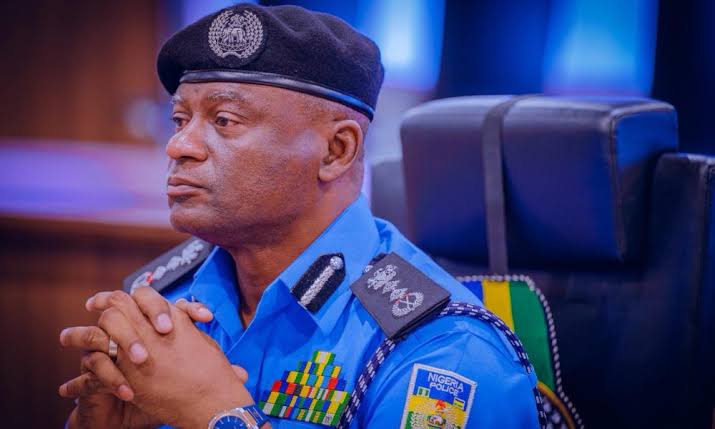
The Inspector-General of Police, IGP Olatunji Disu, has assured journalists of the Nigeria Police Force’s protection during the 2027 general elections.
IGP Disu warns that misinformation and information disorder pose threats to credible polls.
Disu says the police will support journalists in carrying out their professional duties, pledging that the force will not be used as an instrument of political oppression.
He spoke on while delivering the keynote address at the 2026 Media and Development Conference organised by the Centre for Journalism Innovation and Development in Abuja.
Speaking on the theme, Policing, Public Trust and Accountability, the IGP described journalism and policing as professions with similar demands, involving significant risks, rigorous responsibilities and service to the public.
He said Election security should not be seen as the sole responsibility of the police, noting that threats to credible elections extended beyond physical violence to misinformation, fake news and other forms of information disorder capable of discouraging voter participation.
Disu stressed that accountability must go beyond rhetoric and be demonstrated through practical actions, assuring journalists that the police would not allow themselves to be used as instruments of political oppression.
According to him, Police personnel were being trained to understand media expectations and their responsibilities towards journalists, commissioners of police have also been directed to organise practical training sessions and media parley as part of preparations for the 2027 general elections.
Also speaking, the Deputy Ambassador of the Netherlands to Nigeria, Ronald Sonnemans, called for an end to the arrest, harassment and intimidation of journalists, stressing the need to protect press freedom and media independence.
Sonnemans expressed hope that the conference would equip journalists with the skills and practical tools to conduct independent investigations, deliver credible reports and provide citizens with information to make informed decisions.
He also urged journalists to take control of the use of artificial intelligence, advising them to deploy the technology for fact-checking and improving their stories without becoming overly dependent on it.
The envoy advocated independent newsrooms free from restrictive laws and policies capable of undermining their operations and threatening press freedom.
Earlier, the Chief Executive Officer of CJID, Dapo Olorunyomi, described technology as a tool for strengthening journalism rather than an enemy, particularly in the fight against misinformation.
Speaking at the opening of the three-day conference, Olorunyomi highlighted the contributions of data journalism to exposing misinformation, government misconduct and corruption, but warned that technology without accountability and proper oversight could also pose a threat.
He described technology as democratic infrastructure, stressing the need for accountability in the deployment of artificial intelligence and other digital tools.
Also, Kolly Shettima, who represented the MacArthur Foundation, called for greater protection of journalists in their pursuit of truth.
Shettima, noted that the relationship between journalism and the state might not always be cordial because of the media’s accountability role.
The conference, themed Media, Technology and the Future of Democratic Societies, attracted media practitioners and stakeholders from Nigeria, Mali, Niger and other West African countries.

